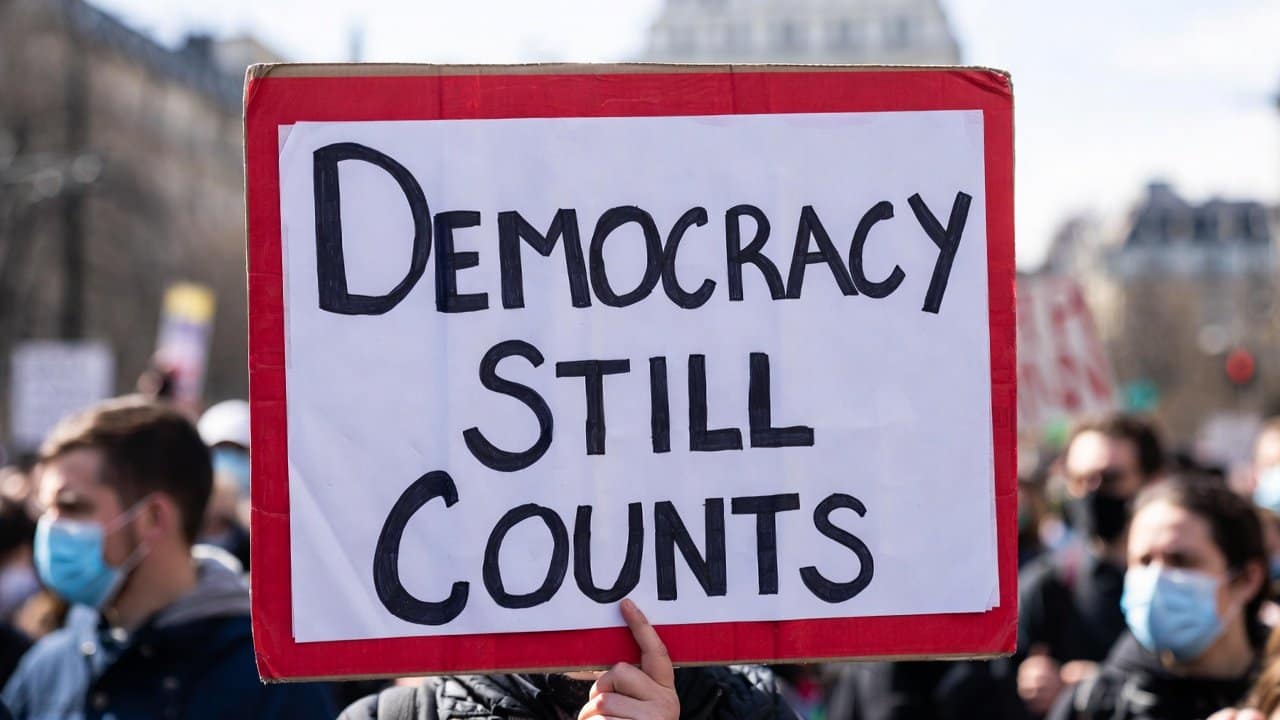
Democracy is not just a word used during elections. It is the way people keep power from sitting in one place for too long. It gives citizens a voice, protects basic rights, and creates a system where leaders answer to the public.
At its heart, democracy means people have a say in how they are governed. In the United States, that idea is tied to the Constitution, the Bill of Rights, elections, courts, state laws, local offices, and public debate.
The National Archives lists the Constitution, the Declaration of Independence, and the Bill of Rights as America’s founding documents. The Bill of Rights is the first 10 amendments to the Constitution and defines key rights of citizens and states in relation to the government.
A Vote Is More Than a Mark on a Ballot
Voting is one of the clearest ways people take part in democracy. It is how citizens choose leaders, shape laws, and respond to the direction of the country.
USA.gov explains that voting information covers registration, where to vote, how to vote early or absentee, voter ID rules, and how to learn about candidates and ballot issues. That matters because a strong vote starts before Election Day.
It starts when a person checks their registration, reads the ballot, studies candidates, and understands the rules in their state.
Voting is a right, not a legal duty. USA.gov states that no law requires people to vote in local, state, or presidential elections. It also notes that constitutional amendments and the Voting Rights Act expanded and strengthened voting rights over time.
Democracy Needs Rules, Not Guesswork
A healthy democracy depends on clear rules. Elections cannot work well if people do not know who runs them, how ballots are counted, or what rights voters have.
USA.gov states that U.S. election laws go back to Article 1 of the Constitution, which gave states responsibility for overseeing federal elections. Since then, many constitutional amendments and federal laws have been passed to protect voting rights.
This is why every voter should check official sources instead of trusting random posts online. State and local election offices are the right places to confirm deadlines, polling places, mail ballot rules, and ID needs. A rumor can spread fast, but one official page can save a voter from a mistake.
The System Is Built With Many Parts
Democracy is not only about choosing a president. Local, state, congressional, and presidential elections all affect daily life. City councils, school boards, judges, governors, state lawmakers, members of Congress, and presidents all hold different powers.
For presidential elections, USA.gov explains that the president and vice president are not chosen directly by citizens. They are chosen through the Electoral College process, which includes selecting electors, electors casting votes, and Congress counting those votes.
That system can feel distant, but it still begins with voters. A ballot can touch taxes, public schools, roads, courts, health programs, public safety, and foreign policy. Democracy becomes more real when people connect their vote to the issues they live with every day.
Trust Also Needs Protection
Modern elections depend on people, machines, buildings, networks, paper records, and public trust. The Cybersecurity and Infrastructure Security Agency says it works to secure both the physical security and cybersecurity of the systems and assets that support the nation’s elections.
That does not mean voters need to become security experts. It means election safety is a real public job. It includes planning, testing, staff training, secure systems, and clear communication from trusted offices.
Conclusion
Democracy weakens when people treat it like someone else’s job. It grows stronger when people ask fair questions, read official information, show up to vote, respect legal results, and hold leaders accountable after the campaign signs come down.
The most useful citizen is not the loudest one. It is the one who checks facts, understands the rules, listens carefully, and takes part with purpose.
Democracy is not perfect because people are not perfect. But it gives people a peaceful way to correct mistakes, replace leaders, protect rights, and speak up without asking permission from those in power. That is why it still matters, not only during big elections, but in every meeting, every ballot, every court ruling, and every public choice that shapes the future.