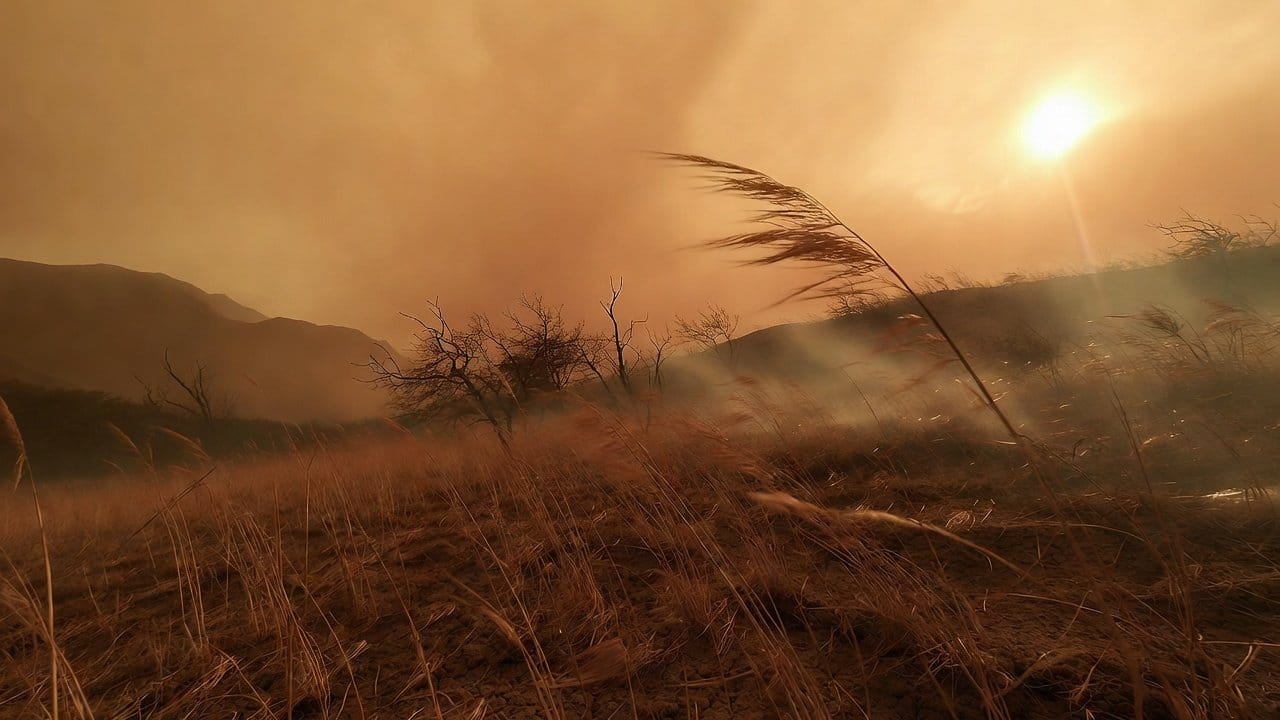
You open your weather app and a headline jumps out at you: fire weather watch. It looks technical, so it is tempting to swipe away. In reality, that short line is your early chance to get ready before conditions line up for a dangerous wildfire spread.
In the United States, fire weather watches are issued by the National Weather Service with input from land and fire management agencies. Forecasters are not predicting a specific fire. They are warning that the atmosphere will be primed for any spark to grow much faster than usual.
How The National Weather Service Defines A Fire Weather Watch
Each local forecast office uses its own checklist to decide when to issue a fire weather watch, but the ingredients are very similar. Strong and steady winds near the ground. Very low afternoon humidity that dries out grass, brush, and timber.
Fuels that are already dry from recent weather. When those pieces are expected to come together, forecasters can post a watch roughly 12 to 72 hours in advance, so firefighters and the public have time to prepare.
Many offices spell this out with numbers. One official example uses sustained winds in roughly the 15 to 20 mile per hour range, afternoon humidity near or below 25%, and very dry light fuels as part of the trigger for a watch or red flag event.
Criteria in the Gulf Coast and lower Mississippi Valley can look similar, with low humidity, gusty winds, and very dry fuels all required before a watch is issued. The exact thresholds change by region, but the purpose stays the same. A fire weather watch highlights a period when extreme fire behavior is a real possibility if a fire starts.
From Fire Weather Watch To Red Flag Warning: How It Escalates
People often confuse a fire weather watch with a red flag warning. A watch is the early heads-up. A warning is the signal that those dangerous conditions are either happening now or are about to begin.
Under a watch, forecasters are reasonably confident that red flag criteria will be met soon, but the window is still a bit farther out in time. Once confidence is high and the conditions are expected within about a day, the product usually shifts to a red flag warning.
Official guidance explains that this combination of strong winds, low relative humidity, warm temperatures, and very dry fuels can lead to rapid fire growth that is difficult or impossible to control.
How To Respond When You See A Fire Weather Watch
A fire weather watch is your chance to lower risk before the most dangerous period begins. National Weather Service fire safety messaging stresses that warm temperatures, very low humidity, and stronger winds can turn small sparks into fast-moving fires, so the first step is to cut down ignition sources.
That means avoiding debris burning, following any state or local burn bans, and treating a watch or red flag day as a “no burn” time unless officials clearly say otherwise.
It also means handling everyday flames with extra care. Official tips include keeping burn barrels tightly covered with metal lids, never tossing cigarettes or matches from a vehicle, and making sure every campfire, grill, or fire pit is out cold before you walk away.
If coals or ashes are still warm, they can be stirred back to life by the wind and carried into nearby grass or leaves.
If you live in an area with a history of fast-moving fires, use the watch period to review your plan. Confirm that you can receive alerts from your local National Weather Service office and from emergency managers in your county.
Clear dry leaves or brush away from structures where you can do so safely, and think through how you would leave quickly if authorities call for an evacuation.
When fire weather watches appear in your forecast, they are not just lines of text. They are a quiet signal from forecasters and fire agencies that the coming pattern needs your attention. Treat that signal seriously, and the steps you take on a calm day can make a real difference if a fire starts later.