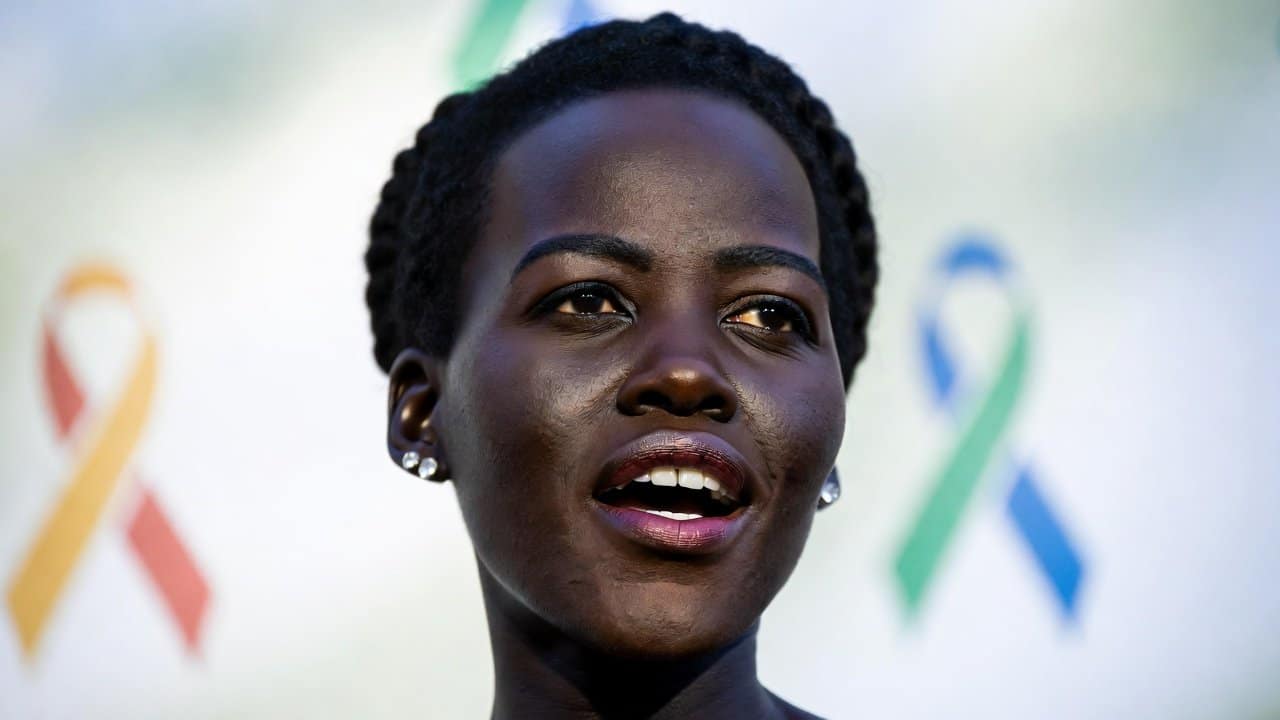
Searches for Lupita Nyong’o are climbing across the United States this morning, and it is not because of a movie premiere. The Oscar-winning actor has just stepped forward with a new initiative called Make Fibroids Count, created with the Foundation for Women’s Health and GoFundMe to raise money and attention for uterine fibroids.
Her announcement, shared across Instagram and Threads and followed by a fresh interview on NBC’s Today show about new treatment options, is turning a personal diagnosis into a national women’s health story.
A diagnosis that changed her biggest Hollywood year
Nyong’o’s advocacy starts with a moment many fans never saw. In 2014, the same year she won the Academy Award for Best Supporting Actress for 12 Years a Slave, doctors found around 30 uterine fibroids, and she chose surgery to have them removed. Afterward, she said she asked how to keep them from returning and was told there was no clear way to stop that from happening.
Fibroids are noncancerous growths in or around the uterus. Health agencies note that they can cause heavy menstrual bleeding, pelvic pain, anemia, frequent urination, and fertility problems, even though many women are never told much about them.
Estimates from federal health sources suggest 20 to 80% of women will develop fibroids at some point, with Black women about three times more likely to have them than white women. That gap, and the years she spent dealing with symptoms without many answers, now sit at the center of her public work.
Make Fibroids Count and the push for better treatment
Today’s spike in searches is tied directly to Nyong’o’s decision to go beyond sharing her story and build a concrete campaign. Make Fibroids Count combines an awareness drive with a $200,000 FWH x Lupita Nyong’o Uterine Fibroid Grant, designed to back researchers who are working on minimally invasive or non-invasive treatments instead of major surgery. The grant is open to medical institutions and innovators and is framed as a way to speed up options that could spare other women from the kind of operation she underwent.
The Foundation for Women’s Health points out that more than 15 million women in the United States are affected by fibroids and that the condition costs the health system over 6 billion dollars a year, yet it remains one of the most underfunded areas in women’s health research. On the campaign page, Nyong’o uses a striking image doctors often rely on in clinics, where fibroids are compared to fruits like blueberries, lemons, or grapefruits to explain their size.
She flips that metaphor into a symbol of visibility, describing fibroids as “unwanted growths” that can bring severe pain, heavy bleeding, and a loss of control over one’s own body, and calling on supporters to reclaim that language rather than feel ashamed of it.
Crowdfunding trackers on the Make Fibroids Count hub already show thousands of dollars raised from individual fundraisers and partner groups, signaling that many women and families see their own stories in hers.
From red carpets to Capitol Hill
Nyong’o’s new campaign builds on work she began last year, when she appeared on Capitol Hill with members of Congress to support a package of bills, including the U FIGHT Act, aimed at expanding federal funding for fibroid research, improving early detection, and boosting public awareness. In earlier posts and interviews, she has argued that women are taught to expect pain and to endure it quietly, and that fibroids show how dangerous that lesson can be.
All of this is happening while her acting career stays in high gear. After acclaimed turns in projects like Black Panther: Wakanda Forever and Us, she is part of the ensemble for Christopher Nolan’s upcoming epic The Odyssey, set for a 2026 release. For many fans, seeing a major Hollywood star talk bluntly about heavy periods, surgery, and fear in the middle of blockbuster press cycles sends a simple signal: these conversations belong in the spotlight too.
As Make Fibroids Count rolls out across social platforms, the message for American readers is straightforward. If heavy bleeding, chronic pelvic pain or extreme fatigue are part of everyday life, health agencies urge people to bring those symptoms to a medical professional rather than dismiss them. Nyong’o’s story does not replace that advice, but it does help many women feel less alone while research, legislation, and funding begin to catch up with a condition that has been in the shadows for far too long.