
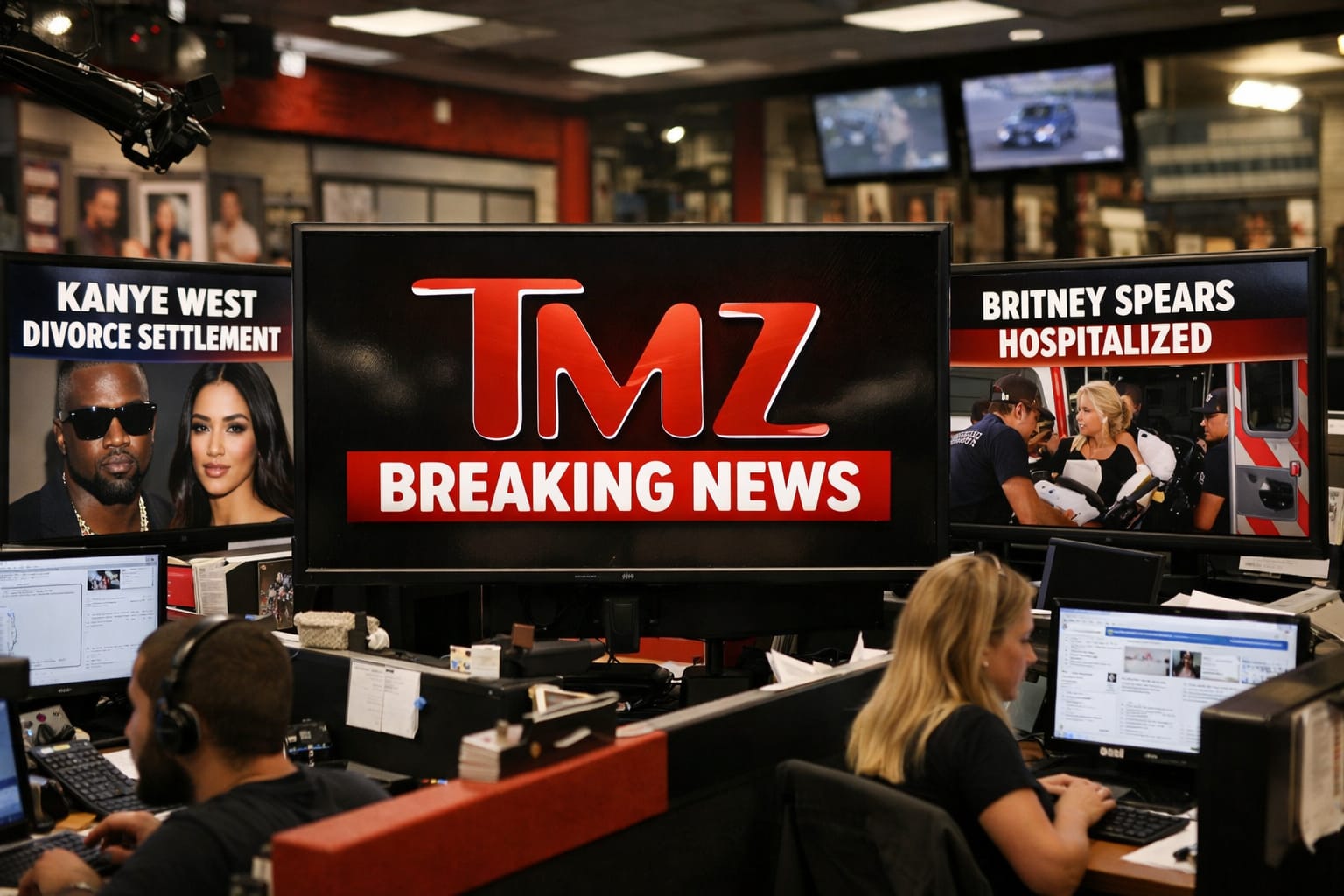
Some media brands fade into the background. TMZ has done the opposite. It still moves at a speed that keeps its name in the mix whenever a major celebrity story breaks. That staying power did not happen by accident.
It came from building a brand around fast updates, sharp news judgment, and a format that works across a website, TV, sports coverage, and live newsroom programming.
How TMZ Started and Built Its Name
TMZ says its name comes from “Thirty Mile Zone,” a term tied to Hollywood filming rules that dates back to the 1960s. On its official About page, the company says it launched in 2005 and quickly took off after landing major exclusives involving Mel Gibson, Michael Richards, and the breakup of Britney Spears and Kevin Federline.
TMZ also says it changed the entertainment news space by reshaping how people get celebrity updates, and it describes itself as one of the most cited entertainment news sources in the country.
That early burst matters because it explains why TMZ still carries weight now. It was not built as a slow magazine style outlet. It was built to move fast, post often, and stay close to the kinds of stories that spread quickly.
The site’s own history makes clear that speed and exclusives were part of the model from day one. Time named TMZ one of the coolest websites in 2006, and Newsweek called it the “Breakout Blog of 2007,” which helped cement its place in pop culture media.
How TMZ Keeps People Coming Back
Fox says TMZ breaks big entertainment stories across both broadcast and digital platforms, and it now includes brands and shows such as TMZ Sports and TMZ Live. That matters because the company is no longer just a website with headlines.
It is a media system built to keep stories moving from post to clip, from clip to segment, and from segment to wider conversation. When one story lands, TMZ has several ways to keep that story alive.
The live side adds even more energy. On its TMZ Live page, the company says it opens its newsroom to the public every weekday from 10:30 AM to 12:00 PM PT through a live stream.
It also says audience comments are a big part of that stream and that the live feed helps produce the “TMZ Live” TV show. That setup gives the brand something many celebrity outlets do not have: a direct, rolling connection between breaking news and on air reaction.
What TMZ looks like right now
A quick look at TMZ’s current front page shows exactly how the brand operates. On March 27, it pushed major updates on Tiger Woods’ Florida crash and later reported that he was arrested after the rollover, with follow up details tied to law enforcement updates.
Reuters and the Associated Press also reported Woods’ arrest that same day, which shows the story had moved well beyond gossip and into major national coverage.
That same front page also carried a steady flow of other stories, including an update on Diego Sanchez avoiding prison time in a gun case, a post about Britney Spears, and fresh celebrity photo and lifestyle content.
In other words, TMZ is still doing what built its name in the first place: mixing big breaking items with rapid fire entertainment posts that keep the page active all day.
The clearest reason TMZ still matters is simple. It understands how celebrity news works in real time. It has history, it has reach, and it has a format built for speed. Even now, when entertainment news is everywhere, TMZ still knows how to make itself part of the story.