Angel families are back in national headlines as the White House holds a remembrance ceremony and launches a new observance called National Angel Family Day. Behind the speeches are parents, siblings, spouses, and children whose loved ones were killed in crimes involving people who were in the country without legal status.
Who Are Angel Families
In U.S. political coverage, “angel families” refers to Americans who lost a family member to a crime committed by an undocumented or otherwise illegal immigrant. The Trump administration popularized the term and began bringing these families to rallies and official events so their stories would play a central role in the border security debate.
Why National Angel Family Day Was Proclaimed
On February 23, 2026, Donald Trump signed an official proclamation that designates February 22 as National Angel Family Day. The document says the day is meant to remember “thousands of American lives” lost to crimes committed by “criminal illegal aliens” and to the fentanyl crisis, and pledges to carry out an aggressive deportation effort.
The proclamation highlights the case of Laken Riley, a 22-year-old nursing student killed in Georgia after a Venezuelan man crossed the southern border illegally, was released from custody, and later convicted of her death. Her killing helped drive the passage of the Laken Riley Act, which Trump signed in January 2025. The law requires federal detention of undocumented migrants arrested for certain crimes, such as burglary and theft.
The proclamation also calls on churches and other places of worship around the country to gather in prayer for angel families, victims of crimes tied to illegal immigration, and families who lost loved ones to fentanyl overdoses.
Stories Shared At The White House Ceremony
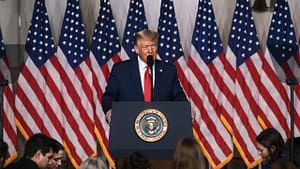
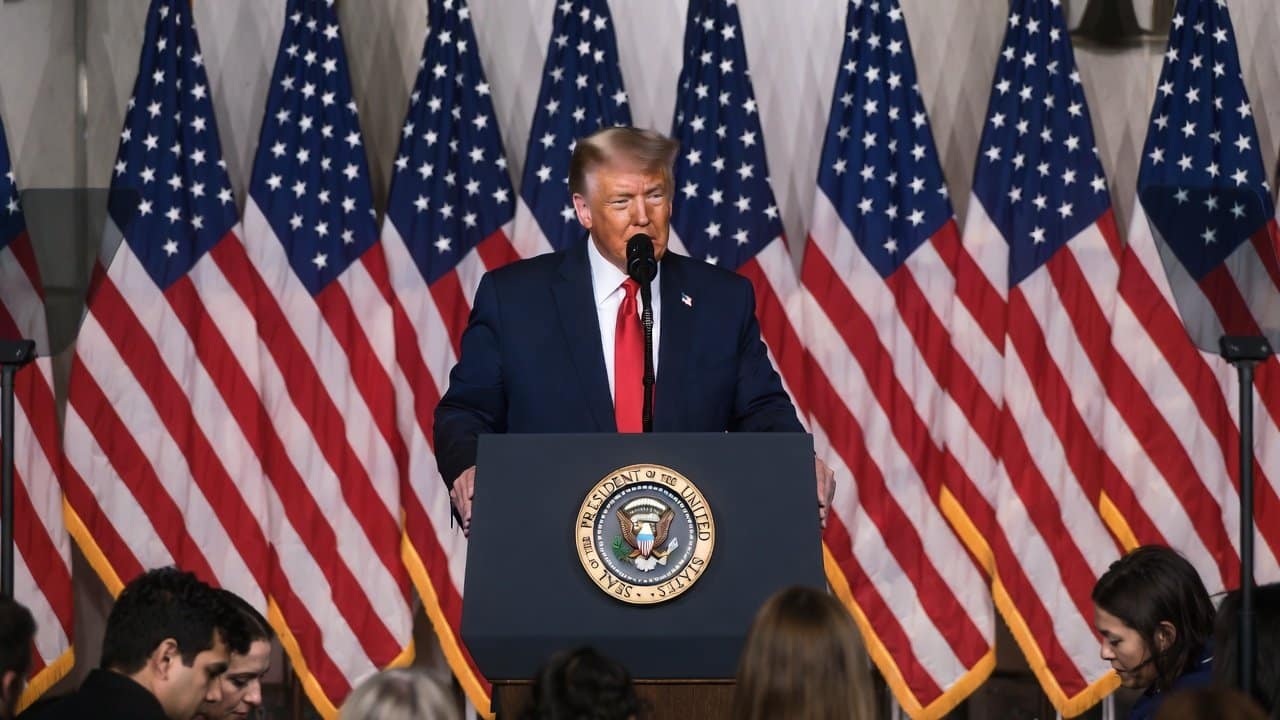
Shortly before issuing the proclamation, Trump hosted an Angel Families Remembrance Ceremony at the White House. News reports describe grieving parents and relatives speaking about sons, daughters, and siblings killed in incidents involving people who lacked legal status in the U.S.
Allison Phillips, the mother of Laken Riley, thanked the administration for keeping her daughter’s story in front of the public and described Laken as responsible, kind, and selfless. Other parents and siblings of victims from states such as Texas, Arizona, and California shared similar accounts, thanking the administration for formally recognizing their losses.
The ceremony closed with a reading of victims’ names, a candle lighting observance, and a rendition of “Amazing Grace,” reinforcing that for these families the subject is not abstract policy but daily grief.
Why Angel Families Are Back In The Spotlight
National Angel Family Day arrives as the White House promotes tougher border policies and points to a sharp drop in recorded encounters at the southern border. The proclamation claims that new enforcement measures, added personnel, and recent legislation have produced the “safest and most secure border in American history.”
Immigration, however, remains one of the most divisive issues in the country. Supporters of the angel families movement say these stories show why strict border rules and aggressive deportation are necessary. Critics point to research and national crime statistics that often show undocumented immigrants offending at lower rates than native born citizens and warn that focusing on a small number of tragic cases can distort the wider picture of crime and public safety.
For readers across the United States, the Angel families’ story is likely to appear again in the coming days as leaders talk about border policy, fentanyl, and new legislation. Knowing who these families are and why a new national day now carries their name helps keep the discussion grounded in the lives at the center of the debate.