Russell Vought is back at the heart of a major Washington fight, and this time it is not a quiet policy debate.
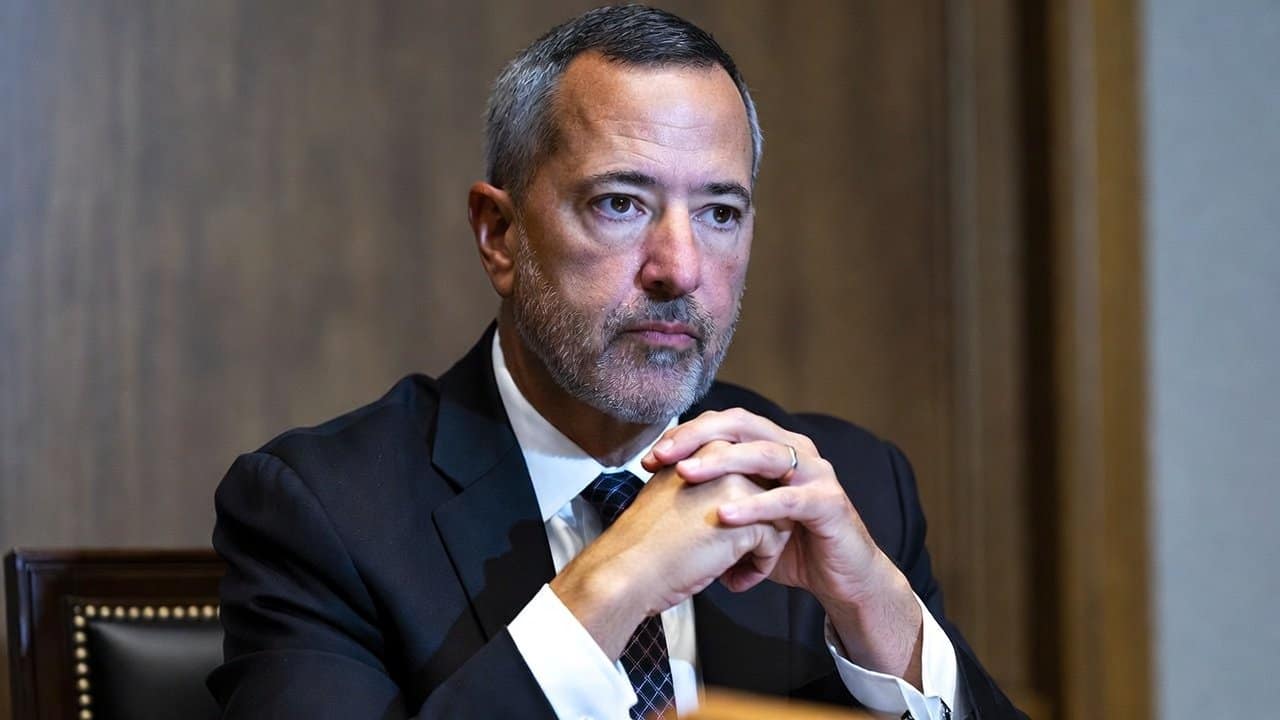
Over back-to-back appearances before the House and Senate Budget Committees, the Office of Management and Budget director defended President Trump’s fiscal year 2027 budget request, putting his name right in the middle of one of the biggest spending battles in the country.
Why Russell Vought Is Suddenly Everywhere Again
The fresh attention around Vought is tied directly to those hearings and to the size of the budget plan he is defending. In his Senate testimony, he said the administration wants to cut non-defense spending by 10% compared with 2026 levels while keeping support for border security, immigration enforcement, law enforcement, and veterans.
He also backed a huge rise in defense funding, saying the budget requests $1.5 trillion for 2027.
That is the main reason his name is moving so quickly through the news cycle. Vought is not being discussed over a minor staffing change or a one-line statement. He is the public face of a budget proposal that touches nearly every part of government, from military spending to health, housing, education, and foreign aid.
What He Is Defending in the 2027 Budget
The official White House budget document lays out the shape of the plan in clear terms. It says the administration wants to move from a $1 trillion national defense topline to $1.5 trillion in 2027. At the same time, it proposes a 10% cut in non-defense spending from 2026 levels.
The cuts do not stop at one or two agencies. The budget document says the State Department and other international programs would fall to $35.6 billion, which it describes as a 30% decrease from the 2026 enacted level. In that same section, the document lists a $4.3 billion reduction for Global Health Programs.
That combination is what makes Vought such a central figure right now. He is defending a plan that asks for much more money in one area while asking many other parts of government to do less with less.
Whether people support that direction or oppose it, the proposal is large enough that it instantly puts its messenger under a bright spotlight.
Why Members of Congress Went Hard on Russell Vought
Recent reporting shows the hearings became more than a routine budget defense. Reuters reported that Vought told lawmakers he could not estimate the cost of the Iran war and said the White House was still working through what kind of funding request it would send to Congress.
The Associated Press also reported that lawmakers challenged him over the scale of the military increase and the impact of cuts on domestic priorities.
That matters because budget hearings are not only about numbers on paper. They are also tests of how clearly an administration can explain its priorities.
In Vought’s case, the questions were sharp because the plan asks Congress to weigh a dramatic defense increase against lower spending across many non-defense programs, while key war-related cost questions are still unresolved.
Why This Story Could Have Lasting Impact
Russell Vought is trending because he now sits at the point where politics, war spending, domestic cuts, and the administration’s broader agenda all meet. His hearings this week turned him into the clearest public voice for that agenda.
That alone is enough to make his name surge, but the real reason the story has staying power is simple: the budget fight he is leading is about where federal money goes, what gets protected, and what gets cut next.