
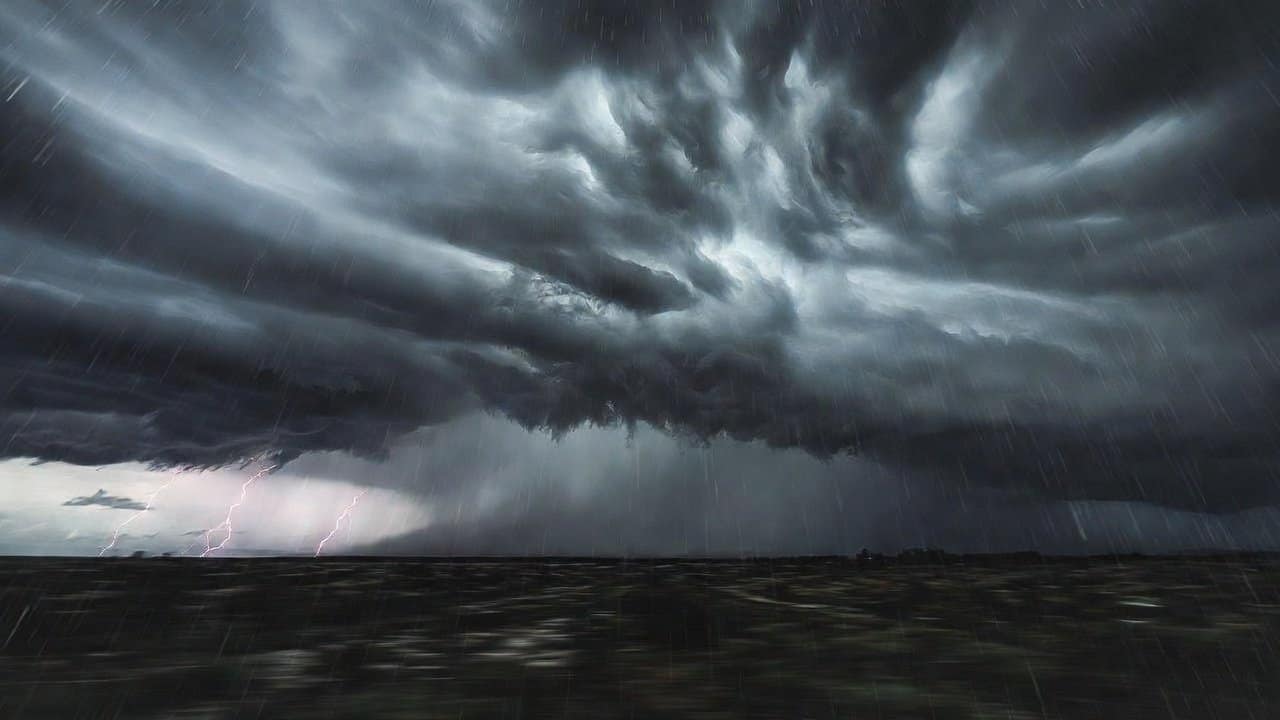
Across much of Michigan’s Lower Peninsula, weather officials have issued a Severe Thunderstorm Watch that stays in place until 8 p.m. this evening. This means the atmosphere is primed for stronger storms capable of producing damaging winds and hail.
The watch covers nearly all counties in the lower part of the state, with just a few areas excluded. It comes as a deep weather system moves through the region, bringing warm, moist air that feeds thunderstorm development later today.
What a Severe Thunderstorm Watch Means
A Severe Thunderstorm Watch is an alert issued by weather authorities, including the NOAA Storm Prediction Center and the National Weather Service, when conditions support the development of dangerous thunderstorms across a broad area.
It does not mean storms are occurring right now, but that conditions are favorable for intense storm formation.
Under this watch, storms may produce:
- Damaging wind gusts, often strong enough to knock down branches and cause localized damage.
- Large hail, up to about 1.5 inches across, in stronger storm cells.
- Heavy rainfall and lightning, which often accompany strong thunderstorm cells.
There is also a small chance of tornadoes forming within the storm environment, though this remains a lower risk compared with wind and hail threats.
What’s Driving Today’s Watch
Late spring weather systems often create the mix needed for severe thunderstorms. That mix includes warm, humid air at the surface and cooler, drier air aloft.
When these air masses interact, the atmosphere becomes unstable. As storms develop, they can rapidly grow tall and energetic, leading to severe conditions.
This setup is not limited to tonight. Meteorologists expect similar conditions tomorrow, although timing and intensity may vary as weather systems shift.
What to Expect as Storms Develop
During a Severe Thunderstorm Watch, thunderstorms may begin forming in the late afternoon to evening hours. Once they form, storms will likely bring strong gusts of wind and hail, especially in the strongest cells of the storm line.
Wind gusts near or above 60 mph are possible in parts of the region, and hailstones could reach more than an inch in diameter in the most powerful updrafts.
While not all areas under the watch will see these conditions, anyone in the watch area should remain alert for updates from local weather sources and the National Weather Service.
Conclusion
Severe weather can develop quickly. During a Severe Thunderstorm Watch, official channels like the National Weather Service provide continual updates as storms evolve. Watches are often followed by warnings if storms begin to meet or exceed severe thresholds in specific counties.
Weather alerts can change rapidly, and the watch will remain active until the official expiration time this evening unless conditions change sooner.
By understanding what a Severe Thunderstorm Watch represents and what to watch for in real time, people can stay informed and respond appropriately as storm activity unfolds.