
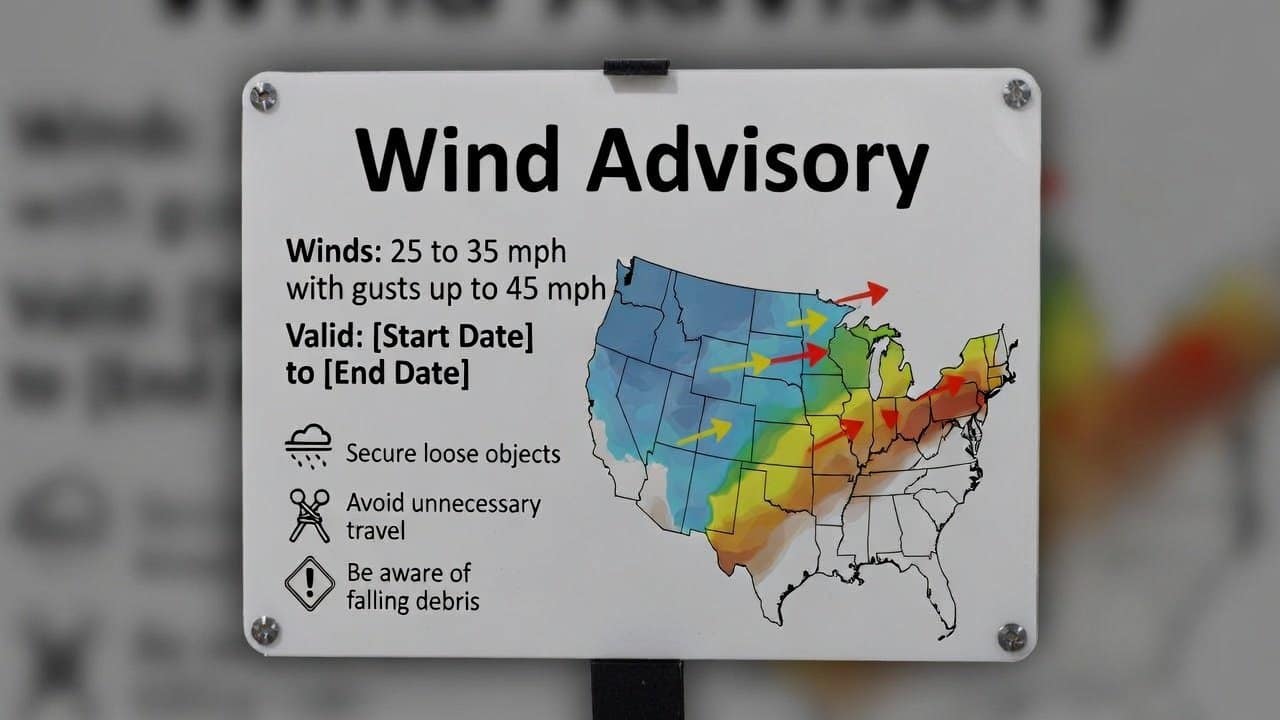
A wind advisory is more than just a warning; it’s an important message that can impact your safety and preparedness during stormy or breezy conditions. While strong winds are a natural part of the weather, understanding the warnings associated with them is essential for staying safe and making the right decisions in the face of nature’s forces. In this post, we’ll dive into what exactly a wind advisory means, when it’s issued, and how you can prepare for it.
What is a Wind Advisory?
A wind advisory is an alert issued by the National Weather Service (NWS) to inform the public about sustained wind speeds or gusts that could potentially cause harm or create unsafe conditions. While the specific wind speeds vary from region to region, generally, a wind advisory is issued when sustained winds reach 30-39 miles per hour (mph), or gusts hit 46-57 mph. This type of advisory is a precautionary notice, urging people to be mindful of their surroundings.
Why Are Wind Advisories Important?
Strong winds can be more than just an inconvenience—they can be dangerous. The effects of high winds range from fallen tree branches to power outages to hazardous driving conditions, especially on bridges and overpasses. A wind advisory gives residents time to prepare, stay safe, and take necessary precautions, such as securing loose items around their homes or delaying travel plans. It’s a proactive measure to keep people informed before the winds pick up.
When Is a Wind Advisory Issued?
A wind advisory is typically issued when certain criteria are met. While the criteria can differ slightly based on the region and local conditions, the basic rule of thumb is:
- Sustained Winds: Winds that last for an extended period of time, usually 30 mph or greater.
- Wind Gusts: These are short bursts of wind that reach speeds of 45 mph or more.
- Duration: The winds are expected to last for a specific period of time, usually lasting from a few hours to a day.
The advisory is not issued for every gust of wind but is generally reserved for sustained winds that will last long enough to cause disruptions.
The Effects of High Winds
Wind can be much more destructive than people often realize. Beyond knocking over trees and power lines, strong gusts can create dangerous driving conditions and lead to property damage. Here are some common effects of high winds:
- Flying debris: Strong gusts can carry items like trash cans, branches, or loose objects, turning them into projectiles that could potentially cause injury or damage to property.
- Power outages: Downed power lines caused by fallen trees or branches are one of the most common consequences of high winds. This can leave homes and businesses without electricity for hours or even days.
- Traffic hazards: Winds can make driving difficult, especially for those in high-profile vehicles like trucks, RVs, and buses. Additionally, debris on the road can pose a serious risk.
How to Prepare for a Wind Advisory
Being prepared is the best way to stay safe when a wind advisory is issued. Here are some simple steps you can take to protect yourself and your property:
- Secure outdoor objects: Anything that can be blown around by the wind should be secured. This includes items like patio furniture, grills, trash cans, and garden tools.
- Check your trees: If you have trees with loose branches, now is the time to trim them. High winds can easily bring down large branches, causing damage or blocking roads.
- Stay indoors: If possible, stay inside and avoid going out during the height of the winds. Flying debris can be dangerous, and outdoor activities should be postponed.
- Drive carefully: If you must travel, make sure your vehicle is in good condition and drive slowly. Be aware of any debris on the roads or downed power lines.
Conclusion
A wind advisory is a key warning designed to help people stay safe in challenging weather conditions. By understanding what this advisory means, you can take the necessary steps to protect yourself, your loved ones, and your property. Whether it’s securing outdoor furniture or staying off the roads, your safety should always be the top priority when the winds pick up.