A new Social Security warning deserves attention because it is not about a small paperwork issue or a routine account update.
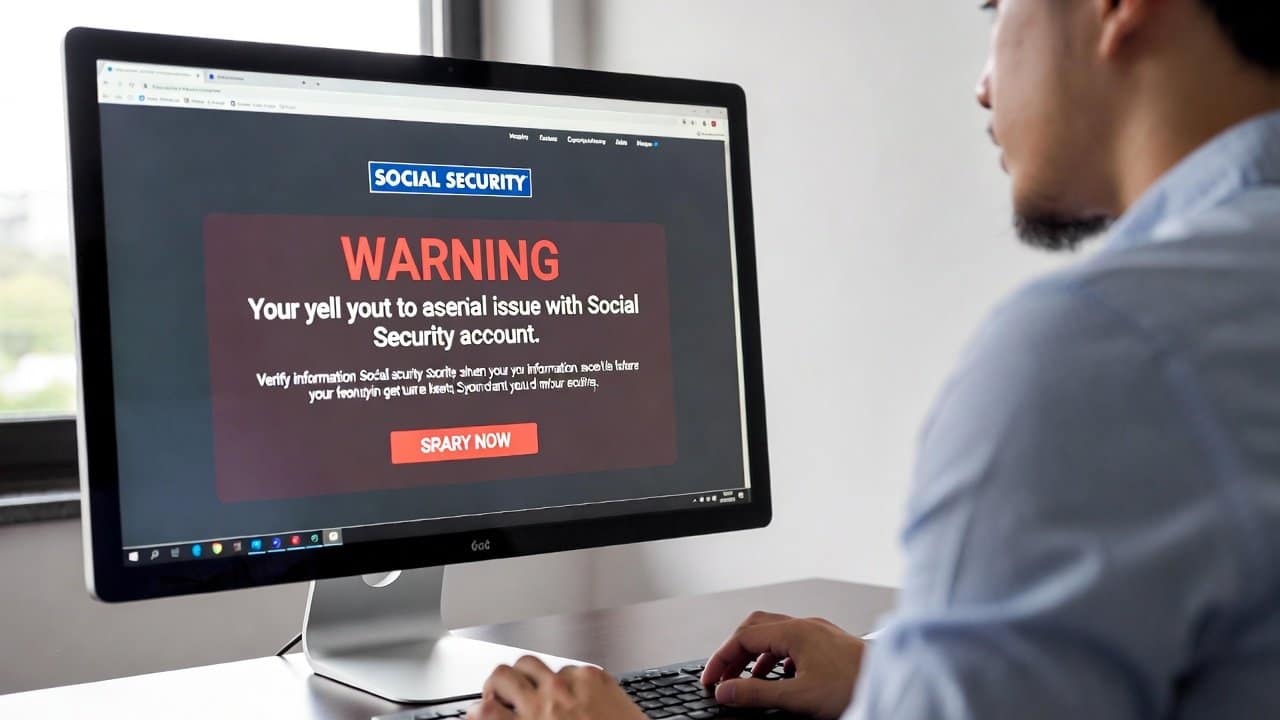
It is about scam emails made to look official. The Social Security Administration’s Office of the Inspector General says there has been a significant increase in fake emails that claim to give people access to their Social Security statement. Those links can lead to identity theft, stolen money, or damaged accounts.
Why Fake Social Security Emails Are Causing Concern
The strongest point in the official alert is simple. These messages are not from Social Security. According to the Inspector General, the emails often copy official language, logos, colors, and formatting so they look real at first glance.
Some push people to click a link or download an attachment that appears to be a statement or document. Social Security says that is exactly where the risk starts.
Social Security also says official communications usually come from email addresses ending in .gov. On its account security page, SSA explains that official links should lead to ssa.gov or secure.ssa.gov pages.
That means the safest move is not to click a link from an unexpected email at all. Type the address yourself and go straight to your my Social Security account.
What Scam Messages Usually Say to Create Panic
The agency says scam messages often follow the same pattern. They create panic. They rush you. They try to make you feel that something is wrong with your number, your account, your payment, or a benefit increase.
SSA and its Inspector General say scammers may threaten arrest, legal trouble, account suspension, or bank seizure. They may also tell people to move money to a so called safe account. Social Security says those are red flags, not real instructions.
The payment demand is another giveaway. SSA says it will not demand immediate payment, ask for gift cards, prepaid debit cards, wire transfers, cryptocurrency, cash, or gold bars.
It also says it will not send unsolicited attachments or download links and will not threaten to suspend benefits because someone refuses to pay right away. That matters because many scams work by making people afraid first and careful later.
The Safest Way to Check a Social Security Message
If a message claims your statement is ready, your account needs fixing, or your money is at risk, do not use the link in that message. SSA says to go directly to ssa.gov/myaccount instead. If the message is suspicious, do not reply and do not open attachments. Report it.
The Inspector General says suspicious Social Security scam attempts should be reported to OIG, and victims can also file reports with the FBI’s Internet Crime Complaint Center and the FTC.
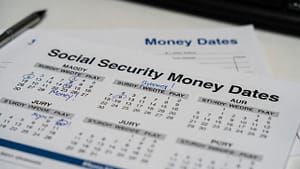
If the worry is a late check, use the official payment schedule, not a random email. SSA’s 2026 calendar shows that April retirement payments go out on the second, third, and fourth Wednesdays based on birth date, while people who received Social Security before May 1997 or receive both Social Security and SSI are paid on the 3rd.
SSA also says to allow three additional mailing days before contacting the agency about a missing payment.
What Retirees Should Do if They Already Engaged With the Scam
Social Security’s advice is direct. Stop all contact with the scammer. Contact your bank or financial institution right away. Report the incident to SSA OIG, file a complaint with the FBI’s Internet Crime Complaint Center, and report it to the FTC.
If money was lost, contact local law enforcement. SSA also says creating or signing in to a personal my Social Security account can help protect your information and alert you to unauthorized changes.
This warning matters because the message scammers send is designed to feel urgent and believable. The official guidance says not to let that pressure control the next step.
Slow down, open Social Security only through its real website, and treat any surprise message about statements, payments, or account trouble as suspicious until proven otherwise.