
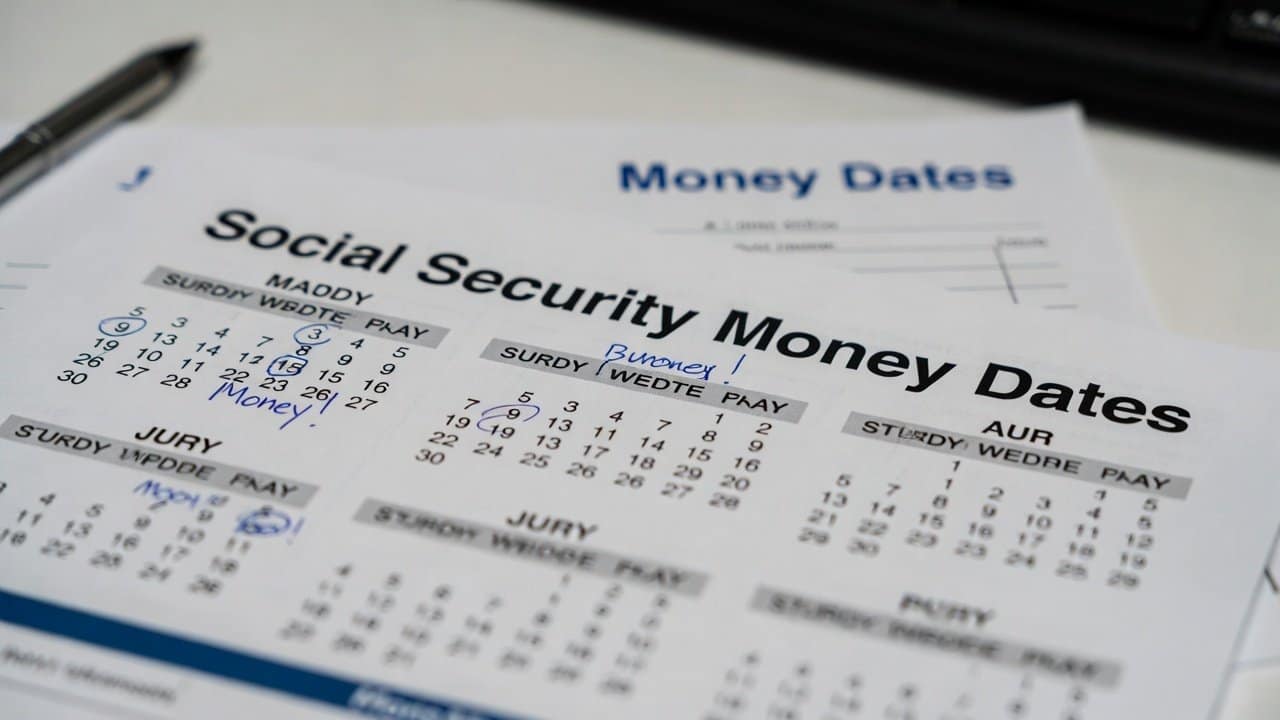
Social Security is not just another monthly deposit. For many homes, it helps cover rent, food, medicine, utilities, and the bills that do not wait. That is why knowing the payment date matters.
The Social Security Administration follows a set schedule, and your exact day usually depends on your birthday, the type of benefit you receive, and when you first started getting benefits.
Your Birthday Can Decide Your Payday
For most people who receive Social Security, payments are sent on a Wednesday. The SSA schedule is tied to the day of the month you were born. If your birthday falls from the 1st through the 10th, your payment is sent on the second Wednesday.
If your birthday falls from the 11th through the 20th, your payment is sent on the third Wednesday. If your birthday falls from the 21st through the 31st, your payment is sent on the fourth Wednesday.
For May 2026, that means the birthday-based Social Security payment dates are May 13, May 20, and May 27. The May 27 payment is for people whose birthdays fall from the 21st through the 31st, as long as they are on the regular Wednesday payment schedule.
Some People Follow a Different Rule
Not everyone is paid on their birthday. If you started receiving Social Security before May 1997, or if you receive both Social Security and Supplemental Security Income, the SSA says Social Security is generally paid on the 3rd and SSI is paid on the 1st.
The official 2026 calendar also notes that if your payment does not arrive on the expected date, you should allow three additional mailing days before contacting Social Security.
That detail is important because payment worry often starts too early. A bank delay, paper check delay, or holiday timing can make the deposit feel late even when the SSA calendar has not yet reached the point where action is needed.
The 2026 Raise Is Already in Place
Social Security and SSI benefits increased by 2.8 percent in 2026. The SSA said the increase applies to 75 million people.
Nearly 71 million Social Security beneficiaries began seeing the increase with January 2026 benefits, while increased SSI payments began on December 31, 2025. The SSA also said the average Social Security retirement benefit rose by about $56 per month starting in January.
This increase is called the cost-of-living adjustment, or COLA. It is meant to help benefits keep up with price changes. The SSA says the yearly COLA is tied to the Consumer Price Index for Urban Wage Earners and Clerical Workers, as measured by the Department of Labor’s Bureau of Labor Statistics.
Working While Getting Benefits? Watch These Numbers
Some people receive Social Security while still working. For 2026, the maximum amount of earnings subject to Social Security tax is $184,500.
The SSA also lists earnings limits for people who claim benefits before full retirement age. For workers younger than full retirement age, the 2026 limit is $24,480. The SSA says it deducts $1 from benefits for each $2 earned over that amount.
For people reaching full retirement age in 2026, the limit is $65,160. In that case, the SSA deducts $1 from benefits for each $3 earned over the limit until the month the worker reaches full retirement age. If a person is full retirement age or older for the entire year, the SSA says there is no earnings limit.
Conclusion
A personal my Social Security account can help you check benefit details without waiting for a letter. The SSA says account holders can view benefit information, access important documents, check claim status, view SSA-1099 information, and manage certain personal details. In 2026, the agency also reported that it had passed 100 million Social Security accounts.
For anyone depending on a monthly payment, the best move is to check the official SSA calendar first, confirm which rule applies to your benefit, and keep your account details current. A few minutes of checking can prevent a lot of stress when payday comes around.