
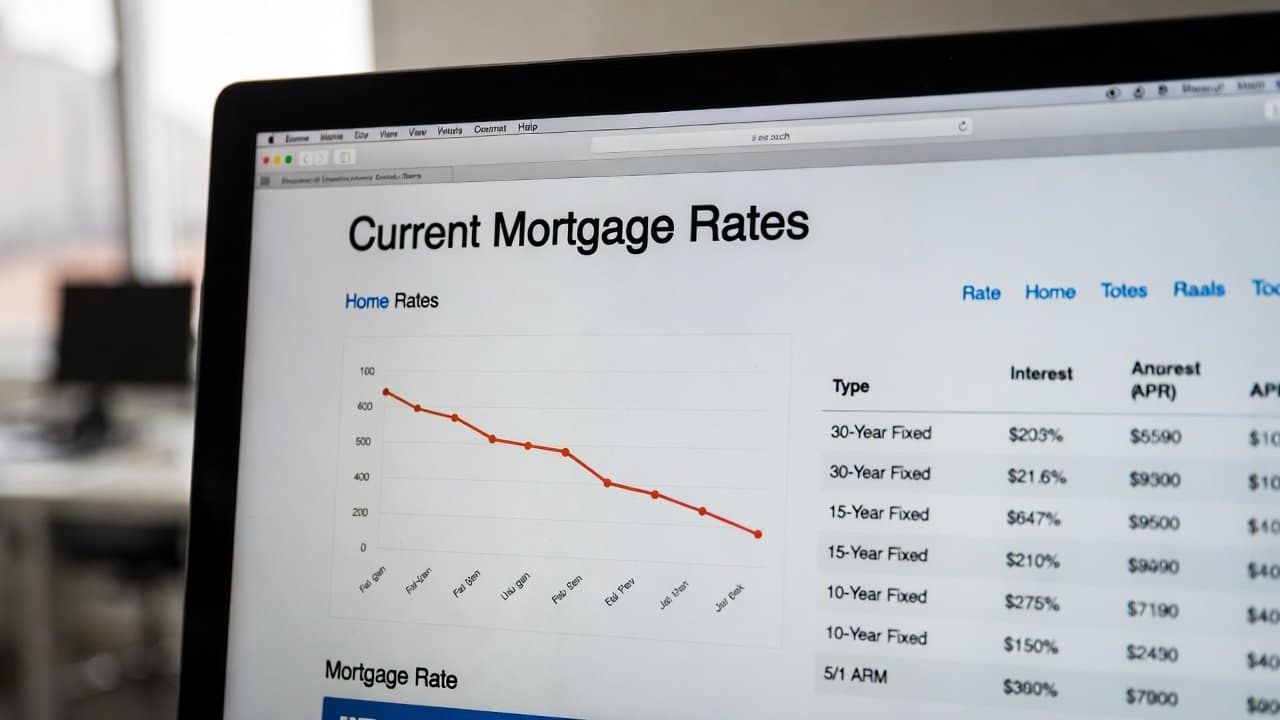
As of the past few hours, mortgage rates have seen slight fluctuations, directly impacting potential homeowners and buyers.
Whether you’re thinking about refinancing or buying your first home, staying updated on the latest rates is crucial for making smart financial decisions.
Mortgage Rates: What Influences Them?
Mortgage rates are highly sensitive to shifts in the economy. Factors like inflation, the Federal Reserve’s actions, and the housing market play pivotal roles in determining whether these rates rise or fall.
For example, when the Fed raises interest rates to combat inflation, mortgage rates tend to go up as well, leading to higher costs for new loans.
Additionally, economic growth also impacts these rates. If the economy is doing well, lenders are more likely to raise rates, as higher consumer demand for housing typically drives up costs.
On the other hand, during economic slowdowns, mortgage rates can be lower to stimulate borrowing and spending.
Breaking Down Today’s Mortgage Rates
According to the latest data from trusted sources, mortgage rates in the United States have varied based on the type of loan you are considering:
- 30-Year Fixed Rate: The average rate for a 30-year fixed mortgage stands at approximately 7.3%. This long-term option remains a popular choice due to its predictability, offering homeowners the stability of a fixed rate over three decades.
- 15-Year Fixed Rate: For those who are looking to pay off their mortgage faster, the 15-year fixed-rate mortgage is a good option. The current rate for this type is about 6.6%. While monthly payments may be higher, homeowners pay less in interest over the life of the loan.
- Adjustable-Rate Mortgages (ARMs): For buyers willing to take on a little more risk, ARMs have interest rates that adjust over time. These rates often start lower than fixed-rate loans, but they can increase in the future. Currently, the starting rates for a 5/1 ARM are averaging around 6.2%.
These rates can fluctuate based on several variables, including the borrower’s credit score, the size of the down payment, and the specific lender.
What Does This Mean for Homebuyers?
If you’re looking to buy, understanding mortgage rates is crucial for determining how much you will end up paying over the life of your loan.
A higher rate means more money out of your pocket, so it’s important to shop around and compare rates from different lenders.
However, while mortgage rates have risen compared to recent years, they still remain relatively lower than historical averages, making now a potentially good time to purchase or refinance—if you can lock in a favorable rate.
The Impact of Fed Actions
The Federal Reserve’s decisions play a significant role in the rise and fall of mortgage rates. When the Fed hikes rates, the cost of borrowing generally rises.
As of today, many economists expect that the Fed may continue to raise rates in the near future to curb inflation, which could mean that mortgage rates may not decrease any time soon.
If you’re in the market for a mortgage, it’s essential to consider the timing. Rates may continue to climb, making it a challenge for buyers to find a rate that works in their favor.
Is Now a Good Time to Refinance?
For homeowners with existing mortgages, refinancing could be an option to reduce monthly payments. However, refinancing into a lower rate is more advantageous when rates are lower than what you’re currently paying.
With current rates hovering around the 7% range, refinancing may still make sense for some borrowers, especially those with higher current rates or adjustable-rate loans.
But refinancing comes with costs—closing fees and other expenses; so homeowners should carefully weigh the potential savings against the costs involved.
Keep an Eye on Economic Indicators
Given the current fluctuations in mortgage rates, it’s a good idea to track economic indicators such as inflation reports, the Federal Reserve’s rate hikes, and overall economic trends.
All of these can help you make better decisions about when to buy, refinance, or wait.
Conclusion
Mortgage rates are a key factor in home-buying and refinancing decisions. As of today, they remain in a range that offers both challenges and opportunities for buyers and homeowners alike.
By staying informed about the latest trends and understanding the factors that influence these rates, you can make smarter financial choices and ensure that your investment works in your favor.