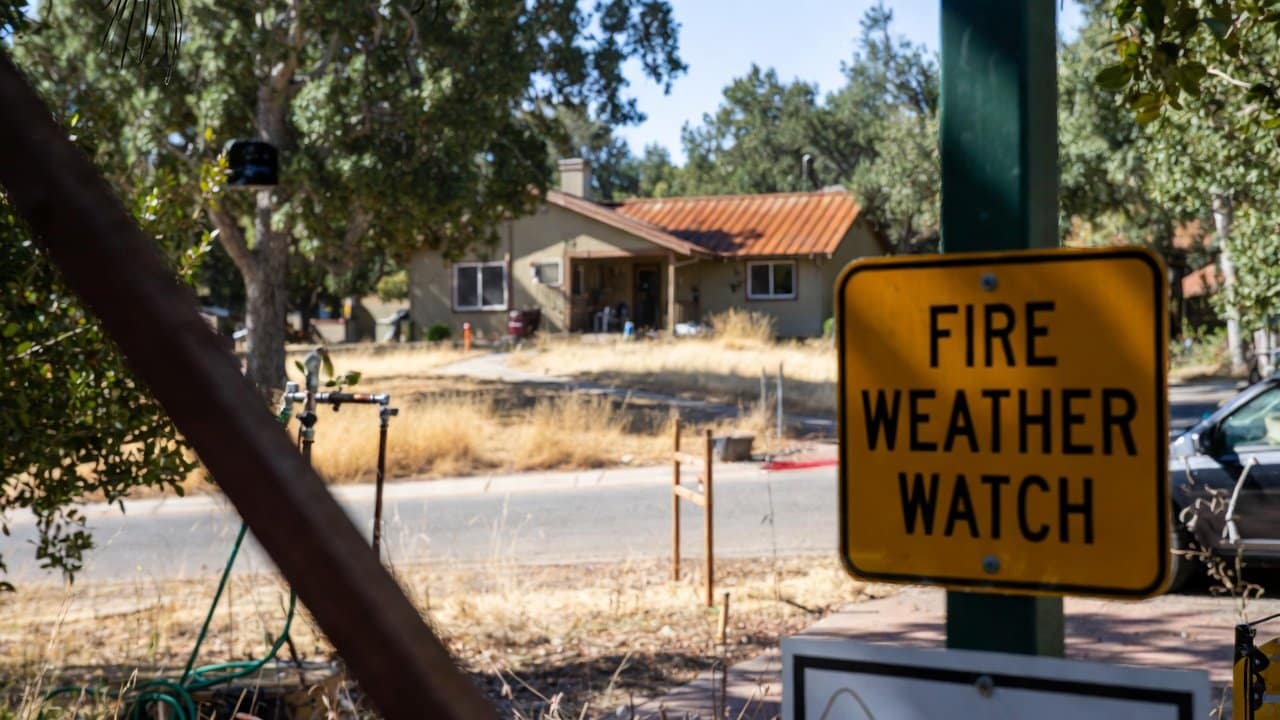
“Fire Weather Watch” might have popped up in your news feed or weather app earlier today. It looks serious, and it is. But it can be hard to know what that alert means for your daily life, your home, and your travel plans.
What is a Fire Weather Watch?
A Fire Weather Watch is an alert from the National Weather Service (NWS). It tells you that weather conditions over the next day or two could create critical fire danger, especially where grasses, brush, or forests are already dry.
NWS explains that these alerts are issued when dry fuels combine with specific weather ingredients that support extreme fire danger. Those ingredients often include:
- Warm temperatures
- Very low humidity
- Strong or gusty winds
- Dry vegetation and soils
For example, NWS offices describe Fire Weather Watches when winds are around 15 to 20 mph or higher, afternoon humidity is roughly 25% or lower, and fuels like grass and small branches are very dry.
Each local NWS office sets exact thresholds for its region, based on local vegetation and terrain. So, the numbers in Michigan will not be identical to those in Arizona or California, but the idea is the same: a high potential for rapid fire growth if a fire starts.
Timing also matters. A Fire Weather Watch is usually issued 12 to 72 hours before these critical conditions are expected. It gives fire agencies and the public time to get ready before the highest risk period begins.
Fire Weather Watch vs Red Flag Warning
People often see both “Fire Weather Watch” and “Red Flag Warning” and assume they mean the same thing. THEY DO NOT!
Official guidance from NWS and federal partners explains the difference this way:
- Fire Weather Watch – “Be Prepared”
- Critical fire weather conditions are possible, but not yet happening.
- The watch highlights a high potential in the coming day or two.
- Forecast confidence is strong enough to raise an early heads-up, but there is still some uncertainty in the details.
- Red Flag Warning – “Take Action”
- Critical fire weather conditions are occurring now or expected very soon, often within 24 hours.
- This is the highest alert the NWS issues for fire weather.
- Fire agencies may increase staffing, adjust tactics, and limit certain activities because fires can start and spread very quickly.
Think of it this way:
- Fire Weather Watch: the ingredients for dangerous fire behavior are coming together.
- Red Flag Warning: those ingredients are in place, and any spark can turn serious fast.
What should you do during a Fire Weather Watch?
A Fire Weather Watch does not mean you are in immediate danger. It does mean you should adjust your habits and prepare before a Red Flag Warning is issued.
The National Weather Service shares simple, practical safety tips when fire danger is elevated:
- Avoid outdoor burning: Even a small trash or yard fire can escape when humidity is low, and winds increase. Many local forecasts and news alerts specifically urge people not to burn on Fire Weather Watch days.
- Secure and manage burn barrels: If burning is allowed where you live, NWS advises that burn barrels should have a heavy metal cover with small holes, so embers cannot fly out.
- Do not toss cigarettes or matches outside: A cigarette flicked from a car window into dry grass can start a wildfire along a roadside.
- Put out campfires completely: Drown the fire with water, stir the ashes, and make sure everything is cold to the touch before you leave.
- Never leave any fire unattended: A few sparks carried by the wind into nearby grass or leaves can spread much faster than most people expect.
In recent months, when Fire Weather Watches were issued in places like Middle Georgia, South Texas, Vermont, and the Mid Atlantic, local forecasts stressed the same basic point: small choices by residents can decide whether a dangerous fire starts that day or not.
If you live in a fire-prone area, wildfire safety groups also encourage you to treat a Fire Weather Watch as a reminder to:
- Check your family’s evacuation plan and meeting point
- Keep phones charged and alerts enabled
- Clear dry leaves and debris away from your home and gutters
These are simple steps, but they matter when fire danger is high.
Why a Fire Weather Watch deserves your attention
Fire Weather Watches are not just routine forecast language. They are built into national fire weather programs that help decide where firefighters are positioned, whether land closures or restrictions are needed, and how agencies prepare for new starts during dangerous patterns.
For you, the message is clear:
- A Fire Weather Watch means the risk is about to spike, even if skies look calm right now.
- Your everyday actions with fire, heat, and equipment can either prevent a problem or help start one.
So, the next time you see “Fire Weather Watch” showing up in your local forecast, pause for a moment. Check your weather app, avoid any unnecessary burning, and make sure your home and family are ready, just in case that watch is upgraded to a Red Flag Warning.
Staying alert during a Fire Weather Watch is one of the simplest ways to protect your home, your community, and the people working on the front lines of wildfire response across the United States.