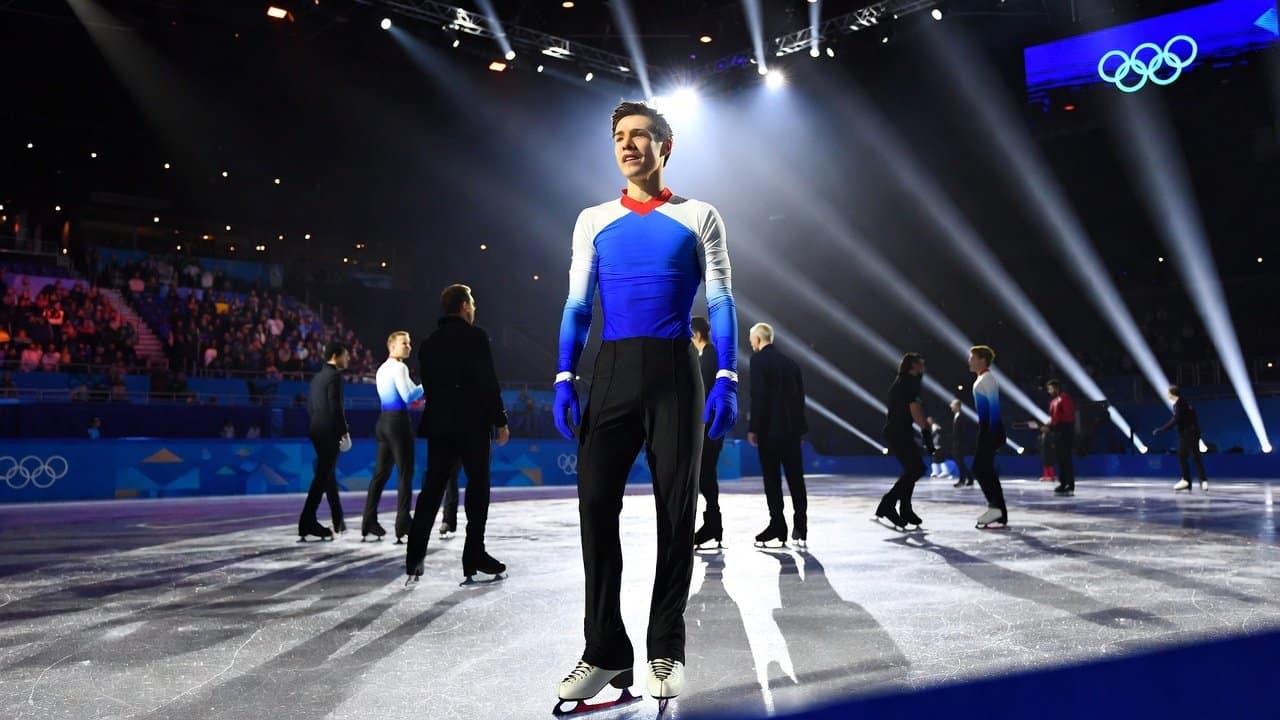
On February 13, 2026, at the Milan Cortina 2026 Winter Olympics, Ilia Malinin stepped onto the ice as the clear favorite for men’s figure skating gold. He led after the short program by more than five points and needed only a solid free skate to finish the job for Team USA.
The script flipped fast. In a high-risk program built around seven planned quadruple jumps, Malinin opened with a quad flip, then backed out of his trademark quad axel and turned it into a single. Later passes went wrong as well.
He doubled a planned quad loop and fell on two different quads, losing key combinations and base value. When the music stopped, his free skate score and overall total settled at 264.49 points, only good enough for eighth place.
That stumble opened the door for Mikhail Shaidorov of Kazakhstan, who landed five quads in a clean program and posted a personal best 291.58 to win a stunning gold. Japan’s Yuma Kagiyama took silver, and teammate Shun Sato claimed bronze. The heavy favorite was suddenly off the podium, and the crowd inside Milano Ice Arena went quiet.
Afterward, Malinin summed up the night with three blunt words: “I blew it.” He told reporters he had felt fully ready, maybe even too sure it would go well.
Why does this result feel so shocking
For many U.S. fans, the result feels unreal because of who Malinin is on paper. At just 21, he is already a two-time world champion and four-time U.S. national champion, representing the United States at the top of the sport.
He is also the first and only skater to land a fully rotated quadruple axel in competition, a jump long viewed as almost impossible. He first did it at the 2022 U.S. International Classic in Lake Placid and has repeated it in major events since, earning the nickname “Quad God”.
Coming into Milan, Malinin had not lost a competition in more than two years. That streak covered 14 full events around the world and included back-to-back world titles in 2024 and 2025. In other words, the skater trending on search feeds today was as close to automatic as men’s figure skating gets.
The shock is bigger because the Games had started so well. In the team event earlier in the week, Malinin delivered a clutch free skate that scored 200.03 points, featured multiple quads and a crowd-pleasing backflip, and clinched another team gold for the United States in a tight fight with Japan.
What this means for Malinin and Team USA right now
In the short term, the eighth-place finish hurts. Malinin’s total score in the men’s event was his lowest in almost four years and snapped the long unbeaten run that had defined his rise to the top.
But the bigger picture is more balanced. He still leaves Milan as an Olympic champion from the team event, and he is still the only skater to land the quad axel and full sets of quads in competition. Those achievements, plus his world titles, remain part of the same story as this rough night.
The other key piece is mental, and Malinin has been open about it. He spoke about nerves, “negative thoughts”, and how the pressure of being labeled a gold-medal favorite flooded his mind right before he started the free skate.
For fans, that honesty fits into a wider shift we have seen from American athletes in recent Olympics, where the mental side of high-stakes competition is part of the public conversation.
For Team USA, the lesson is simple: even an athlete who looks unbeatable on paper is not a guarantee.
The program still gains a high-profile team gold, plus proof that its current star can carry pressure in one event, stumble in another, and keep talking about it straightforwardly. That matters for a sport that wants to stay visible with casual U.S. viewers between Olympic cycles.
What to watch for next
This result also changes the field around him. Shaidorov’s gold gives his country its first Olympic figure skating title and shows that skaters who once sat just behind Malinin can beat him when he is even slightly off. Kagiyama and Sato now have individual medals from Milan to back up their reputations as serious rivals.
For American readers, though, the main takeaway is that the story is not over. Malinin is still only 21, still based in Northern Virginia, and still pushing technical limits nobody else has matched. One bad free skate does not erase years of work or the excitement that first put him on your feed.
If anything, Milan adds a dramatic new chapter. Fans will now tune in not just to see what wild jump he tries next, but to see how he responds. That mix of risk, talent, and vulnerability is exactly what keeps a modern Olympic star in the spotlight, long after the medals from one night are handed out.