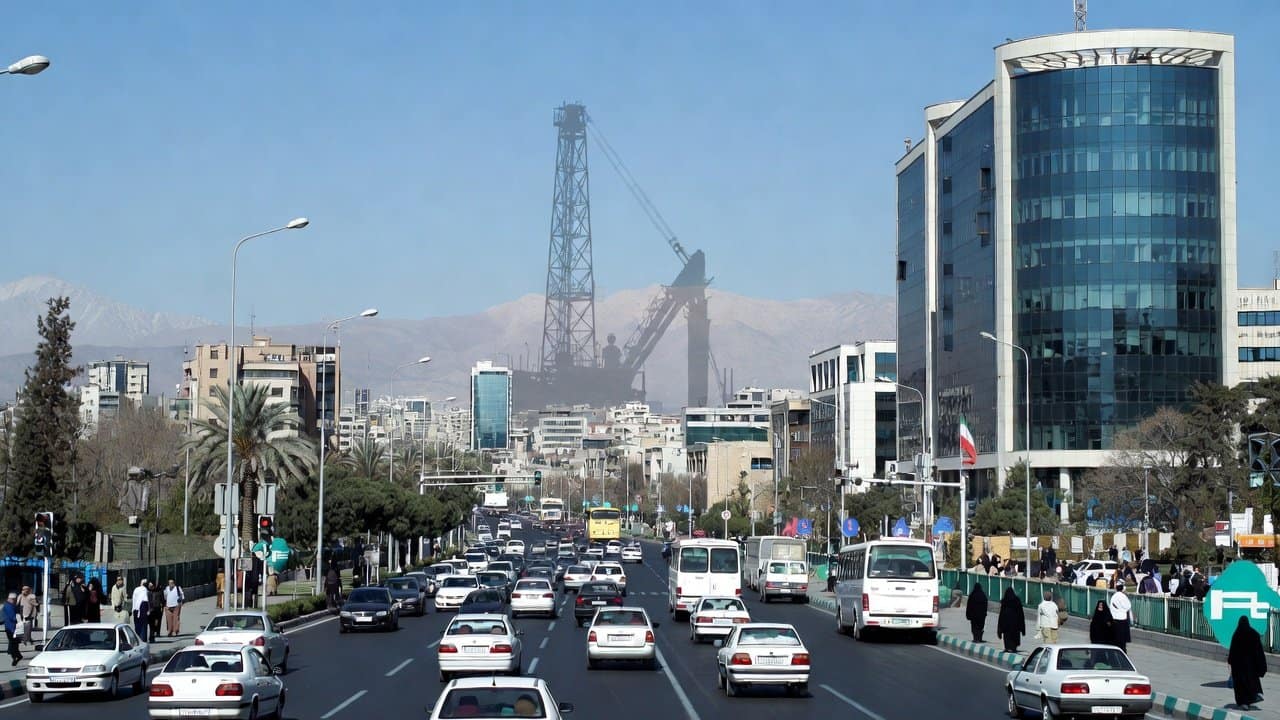
The country sits at the center of nuclear talks, regional power struggles, and a vital route for global oil shipments that supply American refineries. When tensions rise around Tehran or the Strait of Hormuz, fuel costs, market mood, and security debates in Washington can shift quickly.
Why Iran Is Once More A Top Story?
In the last few hours, Iran’s foreign minister, Abbas Araghchi, has said that Tehran and Washington reached a set of “guiding principles” during a second round of indirect, Oman-mediated talks in Geneva. These talks resumed after last year’s Israel–Iran war and earlier U.S. strikes on Iranian nuclear sites.
At the same time, he told the head of the U.N. nuclear watchdog in a phone call that Iran is working on an “initial and coherent framework” to move future talks forward.
On the U.S. side, a White House statement, reported in a global live news, urged Iran to “wisely” agree to a nuclear deal, underlining that Washington still wants a negotiated outcome rather than open war.
So within a very short span, you have Tehran talking about principles and frameworks, and the White House publicly nudging Iran toward a deal. That contrast is one big reason the topic has spiked again.
Where Iran Stands With Washington On The Nuclear File
Reports from Geneva say the second round of talks gathered the U.S. and Iran in separate rooms, with Oman acting as go-between. Araghchi has framed the outcome as progress: he says both sides now share basic “guiding principles” for a possible agreement.
U.S. leaders are far more cautious. Vice President JD Vance has said Tehran still has not accepted all of Washington’s “red lines”, a sign that issues like uranium enrichment levels, missile limits, and support for regional groups remain highly sensitive.
In parallel, Iranian state media and regional outlets report that Araghchi spoke with International Atomic Energy Agency chief Rafael Grossi. In that call, he highlighted Iran’s focus on drafting a unified framework for upcoming talks. The IAEA’s role matters for U.S. readers because any deal will likely lean on the agency to verify what Iran is doing at its nuclear sites.
How Iran’s Live Fire Drills Could Touch U.S. Fuel Costs
Another reason “Iran” is trending is the country’s decision to temporarily close parts of the Strait of Hormuz for a live-fire drill. According to the Associated Press, Iran says it shut sections of the narrow waterway for several hours for “safety and maritime concerns” while it carried out missile tests.
The Strait of Hormuz is a chokepoint at the mouth of the Persian Gulf. Around a fifth of the world’s oil shipments pass through it on tankers sailing from producers such as Saudi Arabia, Iraq, Qatar, the United Arab Emirates, and Iran itself. When Iran signals that it can close or disrupt this route, it is also signaling what might happen to the global economy if tensions with the United States spill over.
An in-depth brief from a New Delhi–based strategic studies institute published within the last few hours warns that rising U.S. pressure and Iran’s refusal to back down have created a very tense Gulf environment, with regional governments openly worried about the cost of a possible war for their security, politics, and trade.
Fire Near Tehran And Local Reports
Adding to the uneasy picture, Iranian state media, cited by Reuters and carried in a live blog, reported a fire near the town of Parand, close to the capital Tehran. The area is home to several military and strategic sites, which immediately raised concern online.
Local fire officials, quoted by the same reports, said the black smoke seen near Parand came from reeds burning along the riverbank and that crews were on the ground working to put it out. So far, there is no official claim that this blaze is linked to sabotage or an attack. But in the current climate, even a local fire near sensitive facilities tends to draw global attention.
How Iran’s Choices May Shape U.S. Fuel And Finance
For readers in the U.S., today’s Iran headlines matter in three clear ways.
First, progress or breakdown in the Geneva talks can shape the chances of another Middle East war that might pull in U.S. forces. The latest reporting shows modest movement, but also hard limits on both sides.
Second, the drills in the Strait of Hormuz are a reminder that a single narrow waterway carries a huge share of the world’s oil. Iran’s rare step of partially closing it, even for hours, is widely seen as a warning of what is at stake if conflict escalates.
Third, every new incident near Tehran or in the Gulf feeds into market nerves. While today’s fire near Parand appears, for now, to be a local blaze, it unfolds against a backdrop of war fears, sanctions, and protests that have already pushed Washington and Tehran into repeated confrontations.
Taken together, the fresh moves in talks, the show of force at sea, and the reports from inside Iran explain why “Iran” is once again rising on U.S. search charts this morning.