
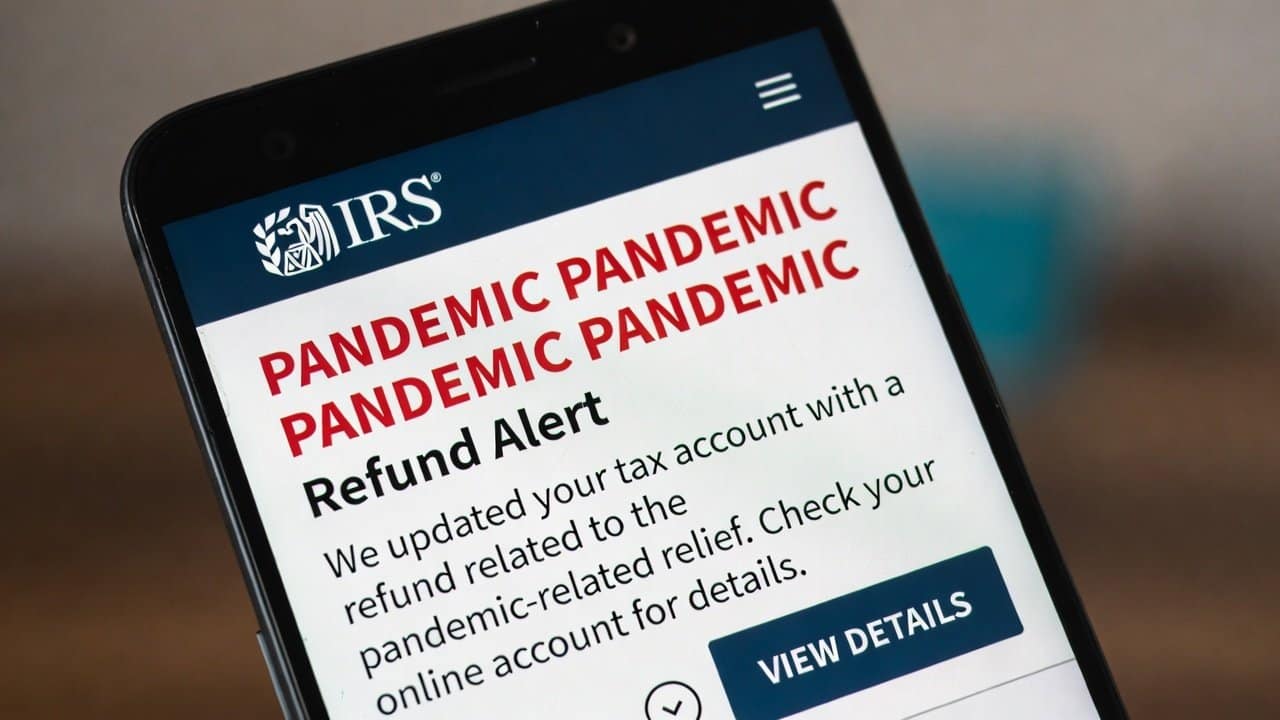
A quiet tax issue from the COVID years has become a major refund question. The National Taxpayer Advocate says tens of millions of taxpayers may be able to ask the IRS for refunds or reductions of certain penalties and interest charged during the COVID-19 federal disaster period. This is not an automatic refund program, and it is not a guaranteed check. It is a legal issue tied to court rulings, IRS procedures, and a deadline that many people could miss without knowing it.
Why This Refund Issue Is Getting Attention
The issue centers on Kwong v. United States, a Court of Federal Claims case. According to the National Taxpayer Advocate, the court’s reasoning suggests that certain federal tax filing and payment deadlines may have been postponed during the COVID-19 federal disaster period.
That disaster period began on January 20, 2020, and ran through May 11, 2023. With the extra 60 days discussed by the Taxpayer Advocate, the key date becomes July 10, 2023. Under that reasoning, some returns and payments due during that window may not have been late until after July 10, 2023.
That matters because late filing, late payment, estimated tax penalties, and related interest can add up fast. For people who paid those charges, the question is whether they may have paid more than they actually owed.
Who May Need to Look Closer
This issue may affect individuals, businesses, estates, trusts, and some taxpayers with international filing duties. The Taxpayer Advocate says the affected group is broad and may include people assessed penalties or interest for late filing or late payment during the COVID period.
The most practical first step is checking IRS account transcripts for the tax years involved. Transcripts can show penalty entries, interest entries, dates, and amounts. That gives taxpayers a clearer record before deciding whether to file a claim.
This is especially important because the IRS has already had a separate automatic penalty relief program for some 2020 and 2021 taxpayers. In that program, the IRS said eligible taxpayers did not need to take extra action, and credits or refunds would be handled automatically. The current Kwong-related issue is different because the National Taxpayer Advocate says most taxpayers must file a claim to protect their rights.
The Date That Should Not Be Missed
For most affected taxpayers, the key deadline is July 10, 2026. The National Taxpayer Advocate says most taxpayers need to file a refund claim or protective claim by that date. Waiting for the court issue to fully settle could be risky because the claim window may close first.
A protective claim matters when the law is still unsettled. It helps preserve a taxpayer’s right to a possible refund while the legal issue continues. It does not mean the IRS will send money right away. It also does not mean every claim will be approved.
What Form Is Used
For Kwong-related penalties and interest, the Taxpayer Advocate says taxpayers generally use Form 843, Claim for Refund and Request for Abatement, when they are not changing the underlying tax return itself. If the money has already been paid, the request is a refund claim. If the IRS assessed the amount, but it has not been paid, the request is an abatement.
For a protective claim, the Taxpayer Advocate says taxpayers should generally write wording such as “Protective Refund Claim Pursuant to Kwong Case” across the top, include as much detail as possible, and identify the tax year or years involved. In most cases, a separate Form 843 is needed for each tax period and each type of tax.
What To Include With the Claim
A stronger claim should be clear. The Taxpayer Advocate suggests including a transcript copy with the relevant entries marked, an explanation connecting the penalties to the COVID-19 disaster relief period, the penalty and interest amounts, and copies of IRS letters when available.
The claim should not be vague. A general line saying the taxpayer wants to reserve refund rights later may not be enough. The IRS needs to see the issue, the year, the penalty or interest involved, and why the claim is being filed.
Be Careful With Refund Promises
This is a real tax issue, but it is also a place where bad advice can spread quickly. The Taxpayer Advocate warns taxpayers to be careful with anyone promising guaranteed refunds, charging excessive fees, or pushing rushed claims without explaining the legal basis.
The best move is calm and careful: review IRS records, note the dates, keep copies, use the right IRS address, and consider trusted tax help for larger or more complex claims. The possible refund may matter, but the filing has to be accurate.