
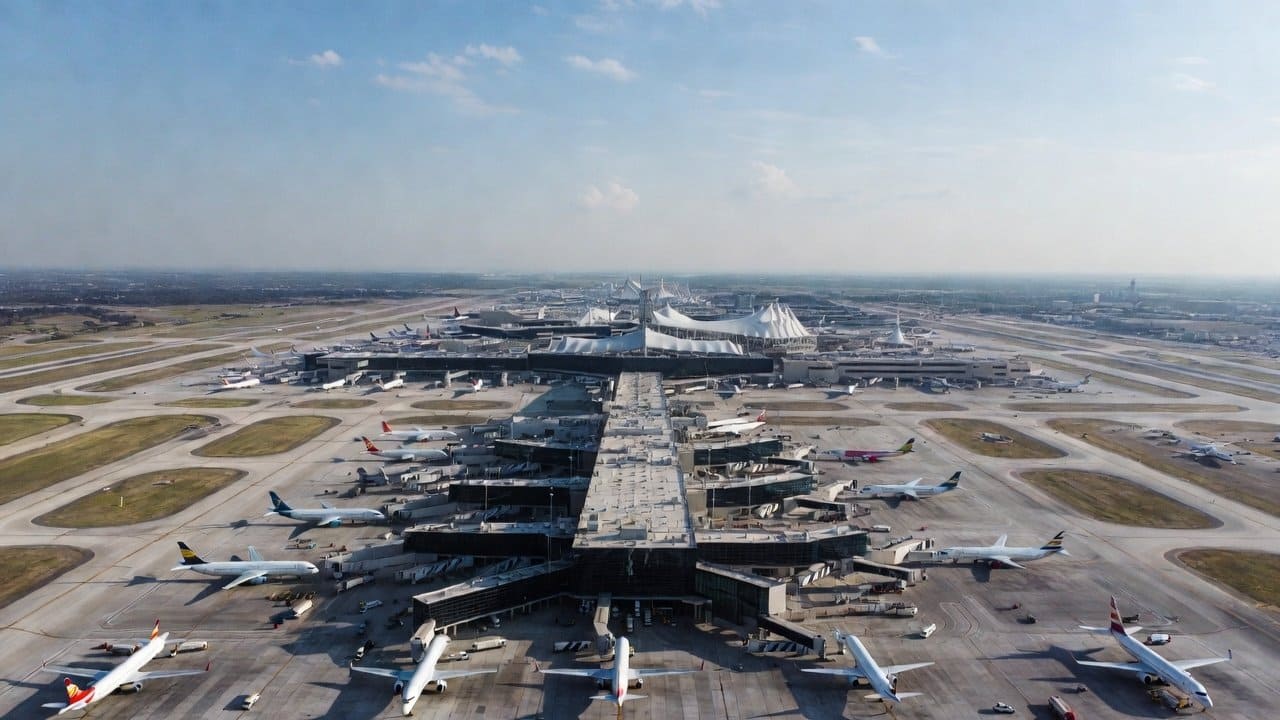
When you think about major gateways in the United States, Dallas-Fort Worth International Airport (DFW) stands tall. Strategically positioned between the cities of Dallas and Fort Worth in Texas, this airport isn’t just huge by size, but by influence, connectivity, and sheer scale of operations.
It opened in 1974 as a purpose-built international hub and has grown into one of the busiest airports in the world. Today, it continues to set new milestones in aviation.
A Growing Global Hub With Far‑Reaching Reach
Travelers passing through DFW can connect to more than 270 destinations across 34 airlines daily. That means easy access to dozens of U.S. cities and international locations, from Cancun and Mexico City to destinations like Buenos Aires and regional U.S. markets.
American Airlines anchors DFW as its largest hub, shaping much of the airport’s identity as a major U.S. connector. The airline’s operations run deep here, supporting millions of passengers each year and anchoring the airport’s international growth.
Bold Expansion With Terminal F
One of the most exciting developments in 2026 is the accelerated plan for Terminal F. This isn’t a typical upgrade—it’s a massive expansion designed to support even more flights and improve passenger experience. When complete, Terminal F will offer double the gates compared to current plans, premium facilities, a revamped check‑in experience, and a dedicated parking garage.
This project reflects a broader investment of roughly $4 billion by American Airlines and the airport authority. Leaders from both the city of Dallas and Fort Worth, plus key airport officials, emphasize that Terminal F will elevate DFW’s role as a global aviation hub for decades to come.
Modernizing the Passenger Experience
DFW is not just expanding in size; what counts most is how it serves passengers. A few key enhancements stand out:
- Electronic boarding gates: American Airlines is rolling out these digital systems at scale at DFW this summer to speed up boarding, automate validation, and streamline the overall experience. These electronic gates are a first at a major U.S. carrier hub.
- Terminal upgrades: Terminal D is undergoing revitalization to ease security lines, expand check‑in kiosks, and enhance international passenger processing.
- Hotel transformation: Inside Terminal D, the Grand Hyatt DFW Airport completed a $34 million renovation project, offering travelers a more refined and comfortable stay on airport grounds.
- Improved access and infrastructure: In late 2025, improved right‑hand access routes into Terminal A were opened to help smooth traffic flow, especially during peak holiday travel periods.
These upgrades aren’t cosmetic. They’re purposeful investments designed to meet rising demand and keep the airport nimble as passenger traffic grows.
Economic Engine and Local Impact
DFW’s impact stretches beyond runways and lounges. A recent economic study showed the airport contributes approximately $78.3 billion annually to the North Texas economy and supports more than 684,000 jobs across the region. That growth over the past decade reflects its expanding role in commerce, tourism, logistics, and business development.
Its location spanning multiple cities, Grapevine, Irving, Euless, and Coppell, bridges major communities and fuels regional business activity.
Current Operations and What Travelers See Now
Real‑time flight status data shows operations at the airport running normally with minimal delays, weather permitting.
It’s worth noting that large airports like DFW occasionally experience maintenance or service interruptions; for instance, public posts from travel communities indicate periodic Skylink train maintenance can affect internal connections between terminals. However, alternative pathways help travelers navigate efficiently on such days.
Conclusion
Dallas Fort Worth International Airport continues to grow in scale, influence, and passenger convenience. Its expansion plans, modernization efforts, and central role in one of America’s fastest‑growing regions ensure it will remain a cornerstone of U.S. air travel for years to come.
Whether you’re catching a flight to Europe, connecting through the U.S., or just enjoying amenities between long hauls, DFW is shaping the way America flies forward.