
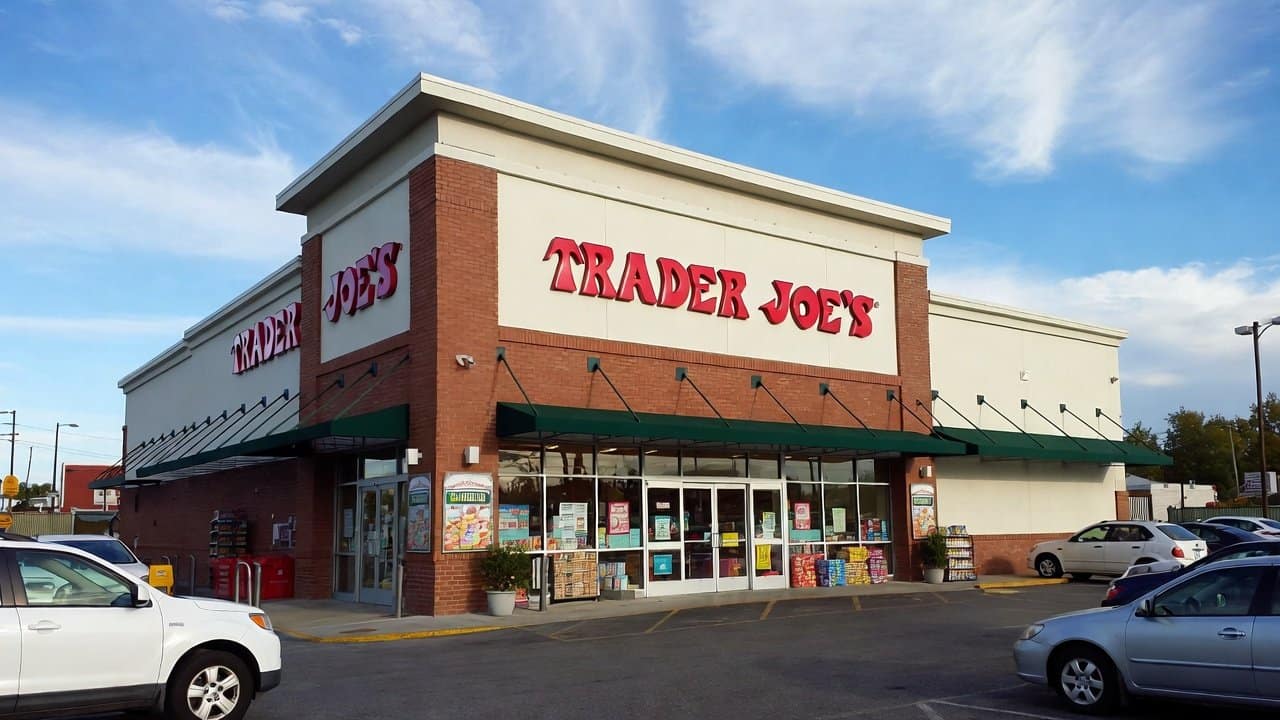
Trader Joe’s settlement payout is getting a lot of attention, but the official details matter more than the chatter. The settlement website for Keim v. Trader Joe’s Company says some shoppers may be entitled to money if their credit or debit card receipt showed too many digits during certain in-store purchases in 2019.
The first thing to know is that the payment is not automatic, and the often-shared $102.45 figure is only an estimate, not a promised amount.
Why Trader Joe’s Is Facing This Settlement
According to the official notice, the case claims that some Trader Joe’s stores printed receipts that showed the first six and last four digits of a customer’s credit or debit card number.
The notice also says those receipts did not show the middle digits, expiration dates, customer names, customer addresses, or other personally identifying information. Trader Joe’s denies the allegations, and the court has not ruled on the merits of the claims.
This point is important because not every Trader Joe’s shopper from that time period is covered. The official notice says not all stores printed receipts this way, and even in stores that did, only a small minority of transactions involved those receipts. So a purchase made during that period does not automatically mean someone qualifies for payment.
Who Could Qualify for a Trader Joe’s Payment
The settlement class is defined as account holders whose credit or debit card was used in a transaction at a Trader Joe’s store where the payment software caused the receipt to show the first six and last four digits of the card number between March 5, 2019, and July 19, 2019. The court’s preliminary approval order says the parties estimate the class includes about 757,663 unique cardholders.
The official notice also clears up another big question. It says Trader Joe’s represents that no one reported identity theft based on the conduct alleged in the case, but identity theft is not required to bring this kind of claim. In other words, the issue is the receipt format itself, not whether someone later proved stolen funds or fraud.
How much could the payout be
The settlement fund is $7.4 million, and the court’s preliminary approval order describes it as non-reversionary, which means the settlement money does not go back to Trader Joe’s. Valid claims will be paid on a pro rata basis after court-approved deductions for attorneys’ fees, expenses, administration costs, and the service payment to the named plaintiff.
The official notice says the plaintiff estimates a payment of $102.45, but the final amount depends on how many valid claims are submitted and what the court approves.
That is why calling this a set payout would be misleading. The notice says any unclaimed money may first go to a second distribution for class members who cash their checks. Only after that, or if a second distribution is not workable, would the remaining money go to the Identity Theft Resource Center. No portion of the settlement fund returns to Trader Joe’s.
The Next Steps for Eligible Claimants
The official deadlines are already posted. The claim filing deadline, exclusion deadline, and objection deadline are all June 9, 2026. The final approval hearing is scheduled for August 10, 2026, at 8:30 a.m.
The settlement website also says payments would be made only if the court grants final approval and after any appeals are resolved, so there is no confirmed payment date yet.
This settlement is real, but the payout is not automatic, not fixed at $102.45, and not final yet. Anyone who thinks they may be covered should rely on the official settlement notice and claim process, not recycled posts that make the payment sound guaranteed.