
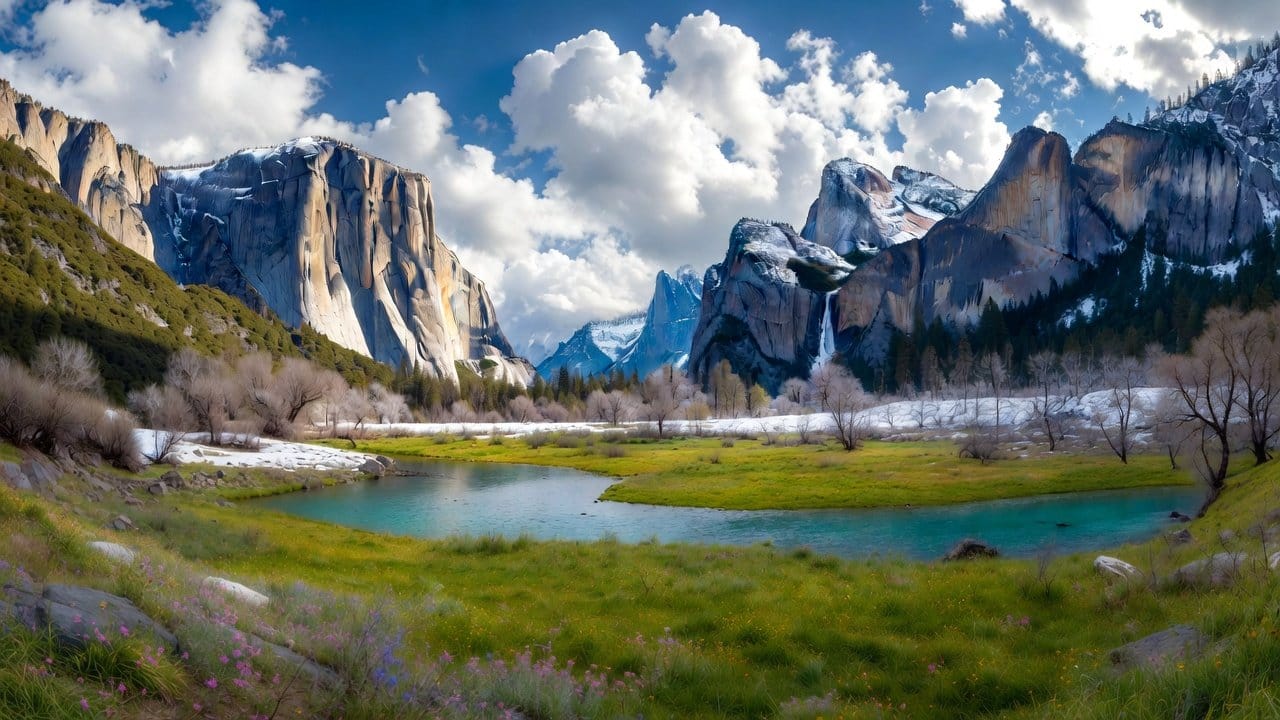
Yosemite National Park is moving into one of its most beautiful spring stretches. Waterfalls are running strong, Yosemite Valley is wide open, and the main west-side roads into the park are open for travel.
At the same time, some high-country areas are still shut for snow, which means a trip can feel very different depending on where you plan to go. That mix is exactly why Yosemite is getting so much attention right now.
Another big change this year is the entry process. Yosemite says it is not using a timed entrance reservation system in 2026, so visitors do not need an advance reservation just to drive into the park.
The entrance fee still applies, and the park is encouraging people to plan early for busy weekends, check live conditions before leaving, and look beyond Yosemite Valley for a smoother visit.
What Yosemite Looks Like Right Now
The easiest way to understand Yosemite this week is to think of it as a park in transition. Wawona Road from Highway 41, El Portal Road from Highway 140, Big Oak Flat Road from Highway 120, and Yosemite Valley roads are open.
Hetch Hetchy Road is also open from sunrise to sunset. But Tioga Road is still closed for the season due to snow, Glacier Point Road is also closed, and Mariposa Grove Road remains closed for now. The park says there are no major roadwork delays beyond those seasonal closures.
That road picture matters because it shapes the kind of Yosemite trip you can have today. April is a strong time for Yosemite Valley, where spring snowmelt is boosting major waterfalls and the weather is usually pleasant, even though rain and snow can still show up.
The National Park Service says Yosemite Falls, Vernal Fall, Nevada Fall, and Bridalveil Fall are all flowing high.
What Makes Yosemite So Special in Spring
This is also the season when Yosemite feels both alive and unpredictable. The park reports that bears are waking up across Yosemite, so food storage matters right away, not later in the season.
It also warns visitors to use extreme caution near rivers and creeks because rocks can be slippery even when they look dry. That is the kind of detail that can change a good day into a bad one if you ignore it.
For hikers, Yosemite is offering good front-country spring views, but the higher you go, the more winter still hangs on. The park’s April wilderness update says trails can still hold snow at 9,000 feet, with snow on some north-facing slopes at lower elevations too.
Depths range from 6 inches to 4 feet, depending on elevation and aspect, and warming weather can bring mud, weak snow bridges, and tougher creek crossings later in the day.
Smart Yosemite Trip Tips for Spring 2026
The best Yosemite plan right now is simple. Aim for Yosemite Valley or other lower, accessible areas, expect strong waterfall views, and do not build your trip around Tioga Road or Glacier Point Road yet.
The park also notes that tire chains may still be required in April, so spring sunshine does not mean winter prep is over.
It is also smart to sort out the basics before you leave home. Yosemite’s standard entrance pass costs $20 to $35, depending on how you enter, and the park does not accept cash. If you plan to stay overnight, Yosemite strongly recommends booking lodging, camping, or backpacking plans early.
Campground reservations are especially competitive from about April through October, so waiting can close off a lot of your best options fast.
Right now, Yosemite National Park is giving visitors a classic spring window: loud waterfalls, open valley access, cool mornings, and just enough snow in the high country to keep plans honest.
That is a great mix for a memorable trip, as long as you go in with the latest park information and a flexible plan.